Affiliate Disclosure: As an Amazon Associate, I earn from qualifying purchases made through the affiliate links in this article at no extra cost to you.
The Importance of Keeping Golf Clubs Rust-Free
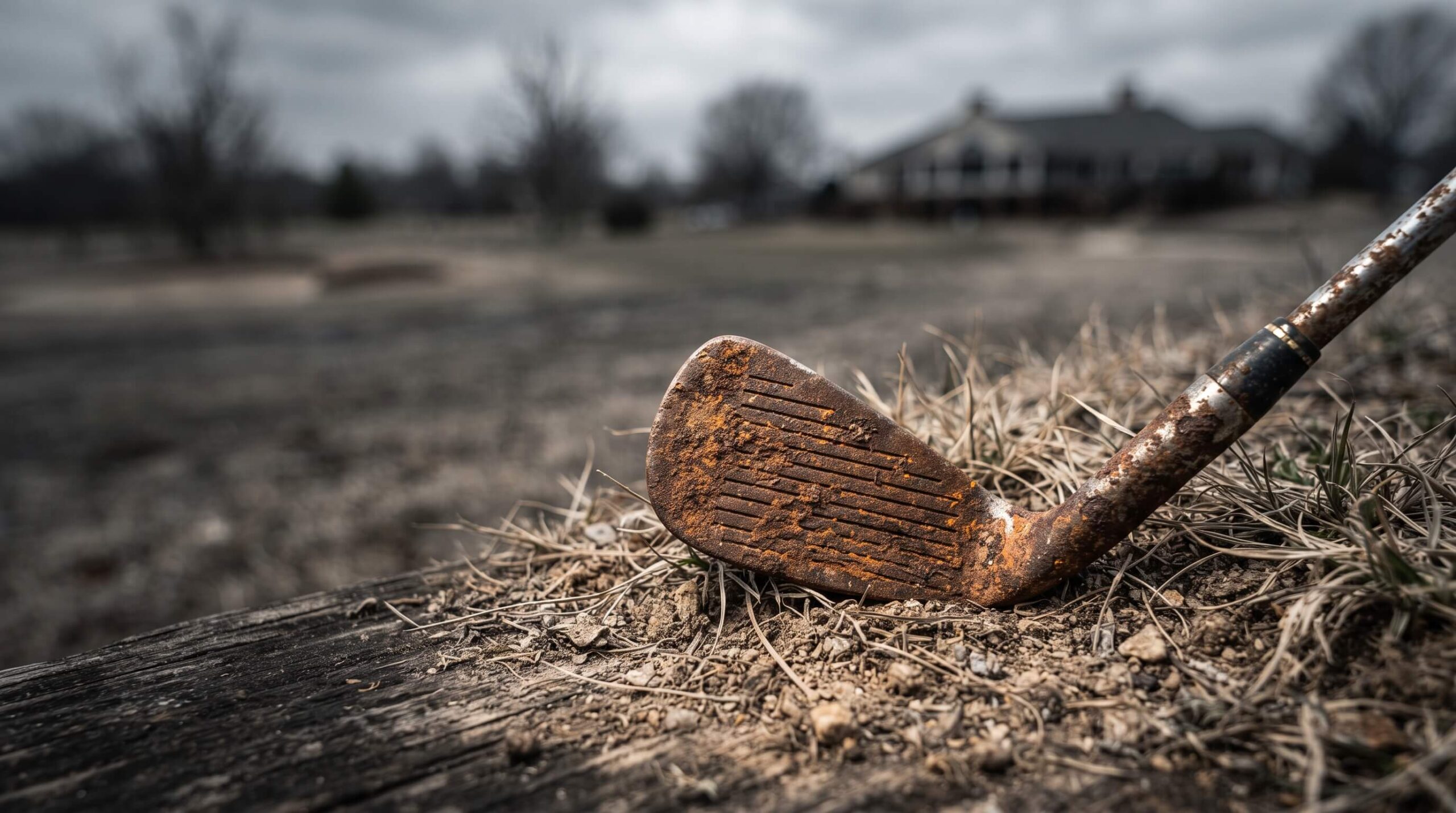
Rust matters because it eats into performance — it drags down spin, kills ball speed, and turns a crisp strike into a mushy one. That's the short version. Here's the longer one.
Look, metal doesn't rust for no reason. Moisture sits on the clubface, oxygen gets involved, and next thing you know, there's a rough orange film sitting right where you need a clean, sharp surface. Grooves fill in. Spin drops. And your once-reliable 7-iron starts flying shots that feel… off. Not dramatically off. Just off enough to mess with your scorecard.
But — and this is where it gets interesting — rust isn't always the villain. Cobra actually makes a wedge called the Trusty Rusty, and it's designed to rust on purpose. Some players swear the rusted finish reduces glare and even feels better around the greens. So no, rust isn't universally bad. It's bad on your irons and driver, where you need consistent contact and predictable spin. On a wedge built for it? Different story entirely.
Bottom line: for 95% of your bag, rust is something you want gone. Fast.
Essential Tools and Materials for Rust Removal
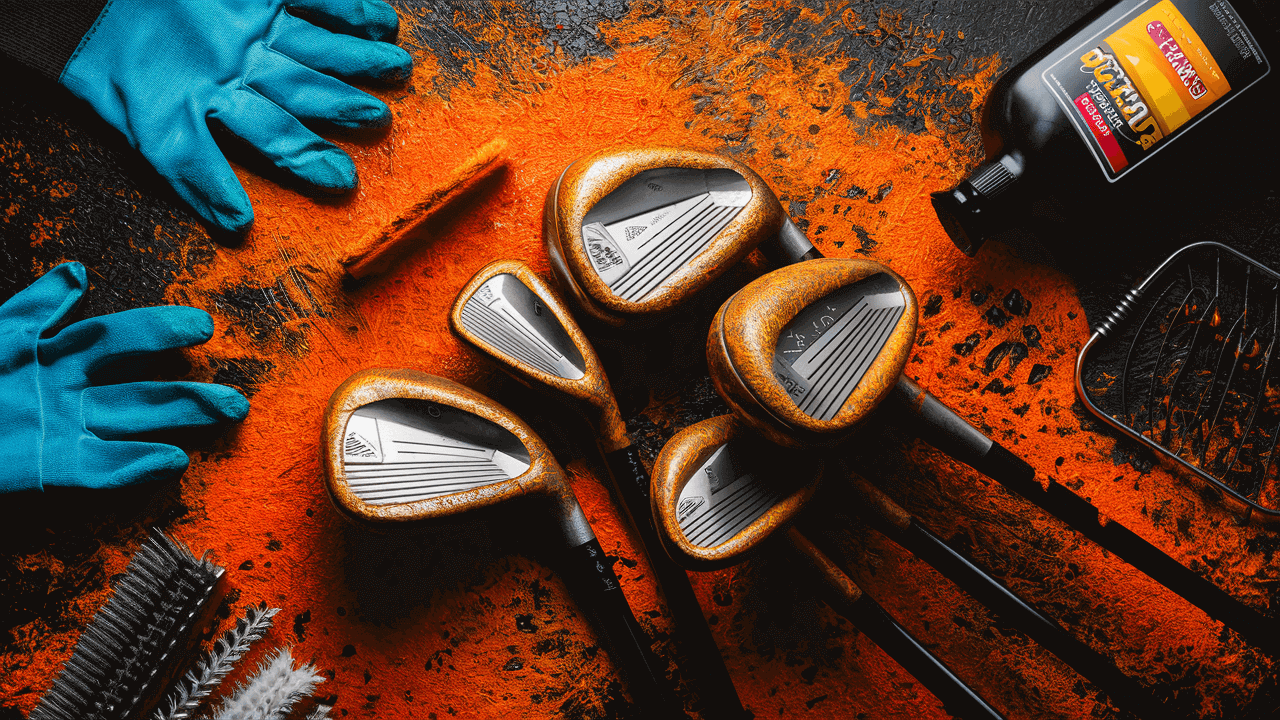
You don't need a garage full of gear to clean rust off golf clubs. Honestly, most of what works is already sitting in your kitchen. But a couple dedicated tools make the whole process faster and less annoying.
Here's what you'll want within reach:
- A stiff-bristled brush (nylon, not metal, unless you're going the steel wool route separately)
- Warm water and dish soap
- Old towels or rags — the ones you don't care about ruining
- Fine steel wool (grade 0000, specifically — anything coarser and you're asking for scratches)
- A soft cloth for buffing afterward
If you want something a little more purpose-built than a kitchen sponge, this is where a dedicated brush earns its keep.
Grooveit "The Wet Club Scrub" Golf Club Brush
Price: $24.99
This one's a pump-action brush with a built-in water reservoir, so you're not juggling a spray bottle and a brush at the same time. Fill it, clip it to your bag with the magnetic attachment, and scrub grooves whenever they need it — rust included.
Features:
- Pump-action sprays water or cleaning solution right onto the clubface before you scrub
- Magnetic attachment — no clip, no lanyard, no snagging on your bag zipper
- Heavy-duty nylon bristles that scrub without scratching the metal
- Backed by a 3-year bristle guarantee
Is it necessary? Not strictly. A $3 dish brush technically does the job. But here's the thing — convenience matters when you're actually going to use something regularly, and this thing lives on your bag instead of buried in a drawer.
Pros:
- One tool instead of three (brush, bottle, and towel all rolled together)
- Magnetic clip means it's always within reach
- Sturdy enough for regular rust maintenance, not just a one-time deep clean
Cons:
- Small reservoir, so you're refilling for a full bag session
- Won't touch heavy, pitted rust on its own — pair it with a polish
- Costs more than a basic brush from the hardware store
Best suited for: Golfers who want to prevent rust from building up in the first place, not just deal with it after the fact.

Golf Club Polish Rust and Scratch Remover (Made in the USA)
Preparing Your Golf Clubs for Cleaning

Before you touch a single club with soap, steel wool, or anything else — stop. Look at what you're actually dealing with.
Not all rust is the same. Some of it's surface-level, a light orange haze that wipes off with barely any effort. Other rust has been sitting there for months (maybe years, if we're being honest), and it's pitted into the metal itself. Treating both the same way is a mistake. A light rust spot needs soap and water. Deep pitting? That might need steel wool, or in the worst cases, professional attention.
So here's what preparation actually looks like:
- Wipe down each club with a dry towel first, just to see what you're working with
- Inspect grooves closely — rust loves to hide in there
- Separate clubs by material if you can (steel behaves differently than chrome, which behaves differently than zinc)
- Set up in a well-ventilated space, especially if you're using any commercial products later
- Have a dry towel ready for immediately after cleaning — wet metal left sitting around just invites more rust
Skipping this step is how people end up scrubbing too aggressively on a club that only needed a gentle wipe. Don't do that.
How to Clean Rust Off Golf Clubs with Soap and Water
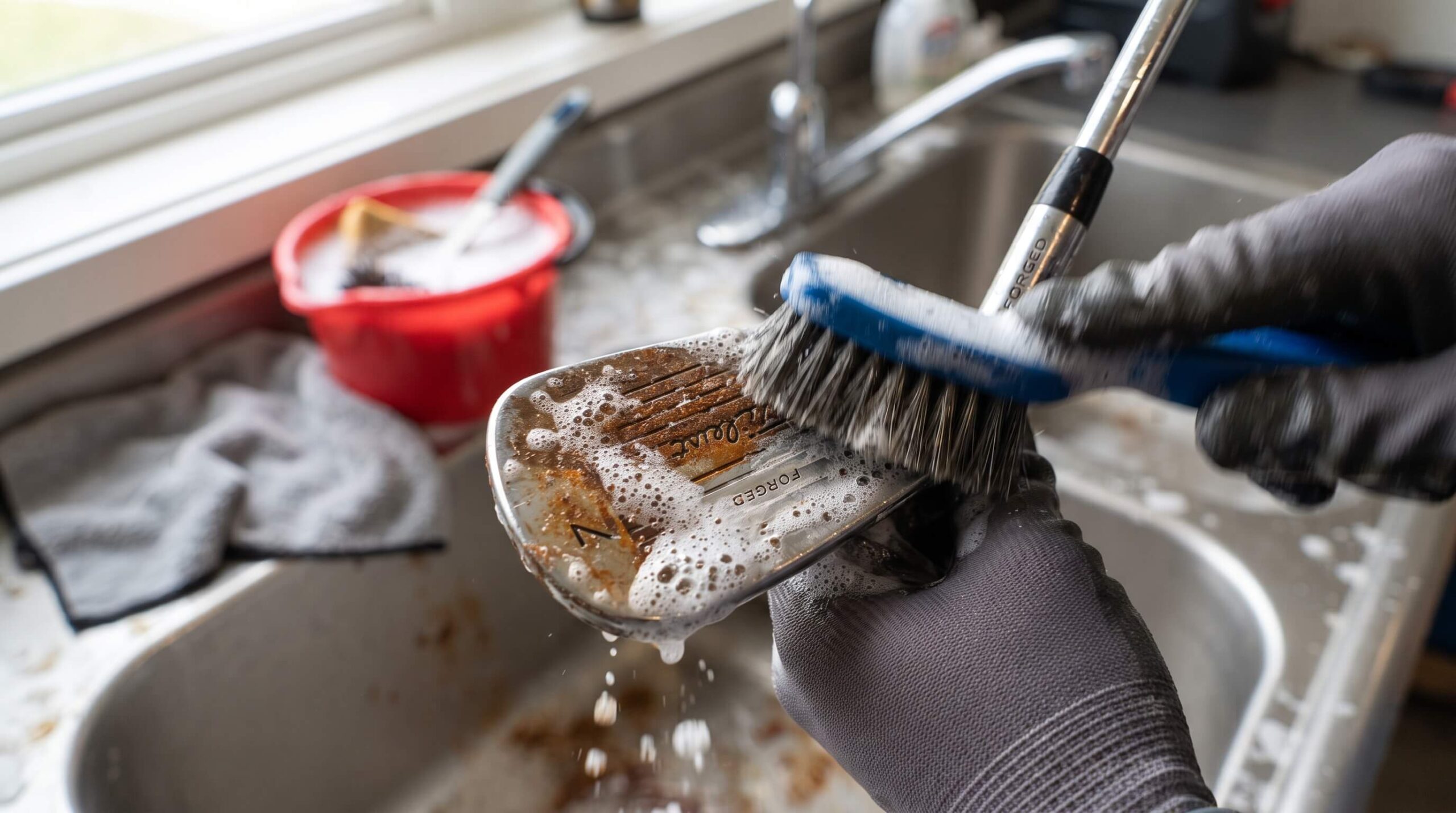
Soap and water is the gentlest way to clean rust off golf clubs, and it's where you should always start before reaching for anything stronger.
Fill a bowl or bucket with warm water. Add a few drops of regular dish soap — nothing fancy, whatever's under your sink works fine. Dunk the clubhead (not the grip, obviously) and let it sit for a few minutes. Not hours. A few minutes.
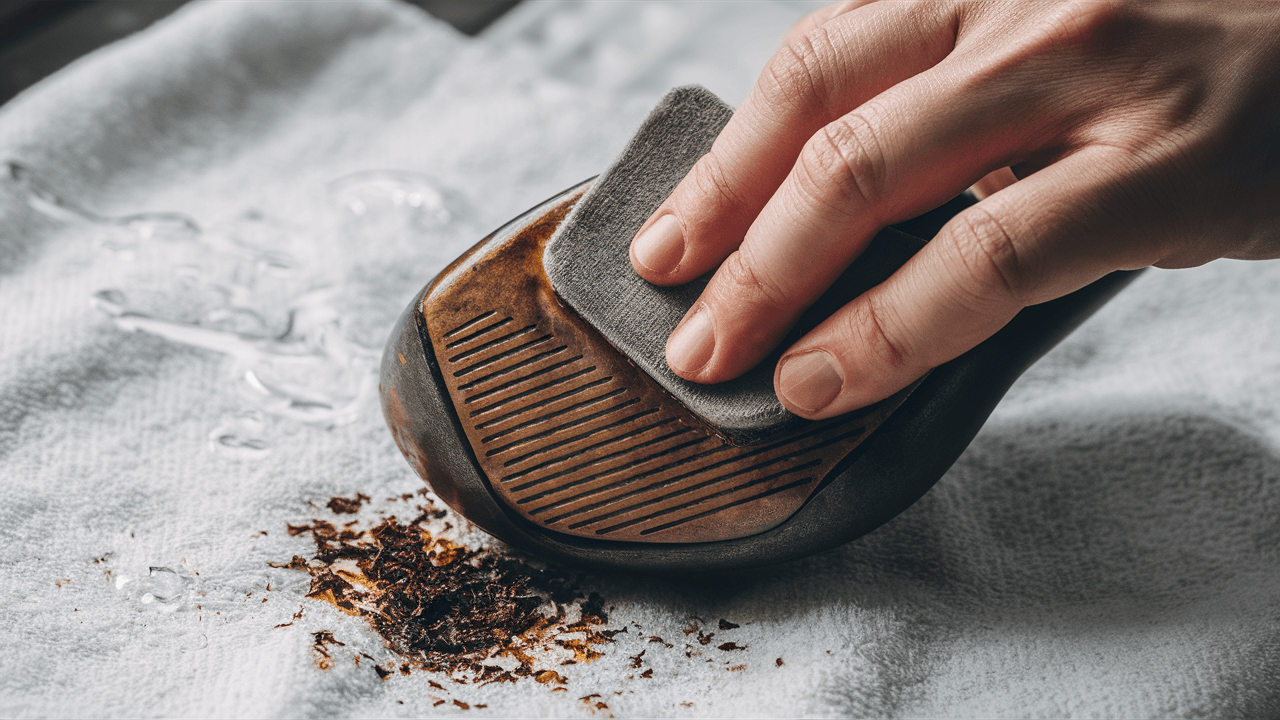
Then scrub. Use your brush, work it into the grooves, focus on the rusted spots specifically. Light rust usually lifts right off at this stage. Rinse with clean water, dry immediately with a towel — and I mean immediately, don't let it air dry, because that's just inviting more moisture to sit on the metal.
Does this handle everything? No. Honestly, soap and water is best for surface rust and general grime, not the deep stuff. But it's free, it's safe for every club material, and it should be your first move every single time before anything more aggressive.
Using Steel Wool for Golf Club Rust Removal
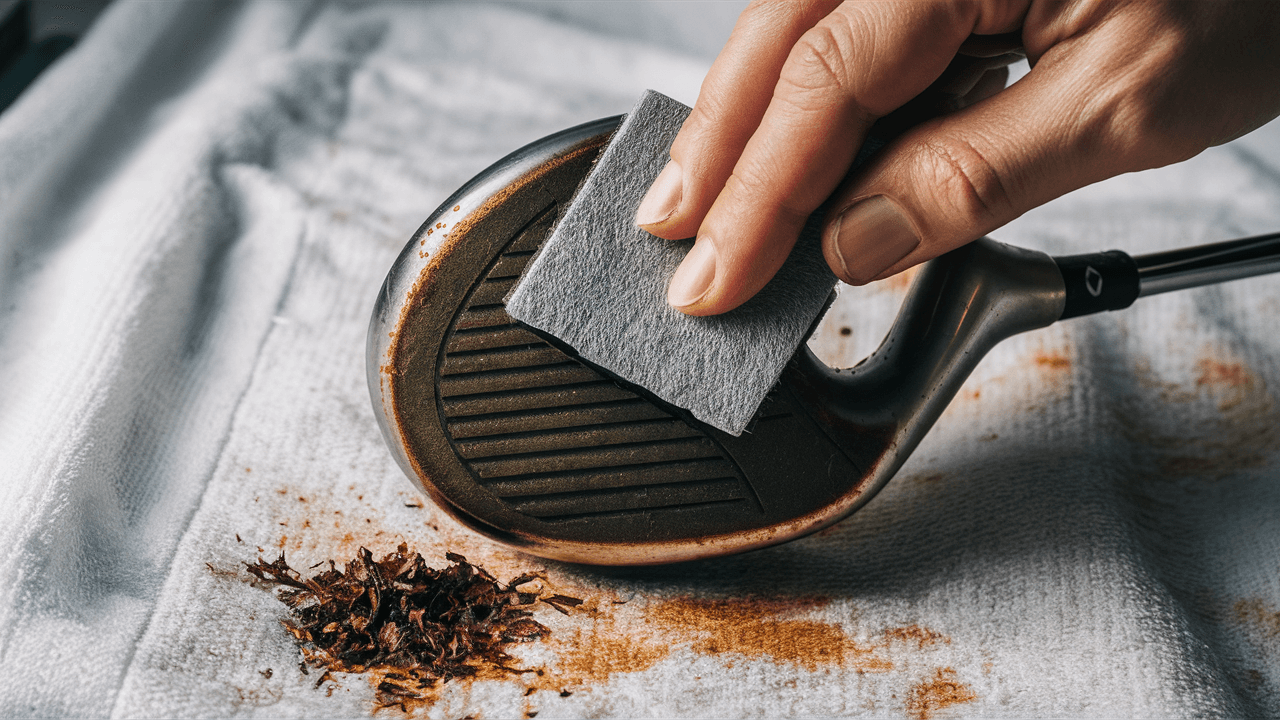
Steel wool removes rust off golf clubs by physically abrading it away, and it works — but only if you use the right grade and a light touch.
Grade 0000 steel wool. Not 000, not the coarse stuff you'd use to strip paint off a fence. Grade 0000 is the finest available, and it's what you want here. Anything rougher risks scratching the clubface, and once that's scratched, there's no undoing it.
Here's the process:
- Dampen the steel wool slightly (dry can be too abrasive)
- Rub gently, in small circular motions, directly on the rusted area
- Check your progress every 10-15 seconds — don't just grind away blindly
- Wipe with a clean cloth to see how much rust actually came off
- Repeat as needed, but stop the second you're not seeing more rust lift
And a nuance worth mentioning: steel wool works great on steel and chrome. It's riskier on softer finishes or anything with a coating, since you can strip that coating right off along with the rust. When in doubt, test on a small, less visible spot first.
Cleaning Rust with Vinegar and Lemon Juice

Vinegar and lemon juice remove rust off golf clubs through their natural acidity, which breaks down rust without any harsh chemicals involved.
Both work on the same principle. The mild acid reacts with the rust (iron oxide, technically) and loosens it enough that a light scrub finishes the job. Soak a cloth in white vinegar, or straight lemon juice, and lay it directly over the rusted area. Let it sit for 15-20 minutes.
Then scrub gently with your brush. You'll likely see the rust come off in a kind of orange-brown residue — that's normal, that's the rust breaking down and lifting. Rinse thoroughly afterward (vinegar smell lingering on your clubs isn't the end of the world, but nobody wants it either), and dry completely.
Worth mentioning: this method takes patience. It's not instant. If you're dealing with heavier rust, you might need to repeat the soak two or three times. But for moderate rust, and if you'd rather avoid commercial chemicals entirely, this beats a lot of store-bought options on the "natural" front.
The Coca-Cola Method for Removing Rust
Coca-Cola removes rust off golf clubs because of its phosphoric acid content, and yes, this is a real method — not some internet myth that refuses to die.
Pour regular Coke (not diet, the phosphoric acid concentration matters here) into a container large enough to submerge the rusted clubhead. Let it soak. An hour minimum, though overnight works better for stubborn rust. The acid slowly breaks the rust bond with the metal underneath.
After soaking, scrub with your brush, rinse thoroughly with water (you do not want sticky soda residue drying onto your clubs), and dry immediately.
Does it actually work? Yeah, surprisingly well for moderate rust. Is it the most efficient method on this list? Not really — vinegar and dedicated rust removers usually work faster with less mess. But if you've got a can sitting in the fridge and nothing else on hand, it's a legitimate option. Just don't expect it to out-perform a proper commercial product on heavy rust.
Applying Commercial Rust Removers
Commercial rust removers clean golf clubs faster and more thoroughly than DIY methods, especially for moderate rust that's resisting soap, vinegar, or steel wool.
These products are formulated specifically for metal — golf clubs included — and most double as polishes, meaning you get rust removal and a shine in one step. That's the real advantage here. DIY methods work, sure, but they're slower and sometimes need multiple rounds. A dedicated product usually gets there in one pass.
FORTIVO Golf Club Polish – Rust, Scuff & Stain Remover
Price: $26.99
An 8 oz polishing compound built to strip rust and scuffs while leaving behind a protective, mirror-like finish. Works across copper, zinc, aluminum, wood, and stainless steel — so it's not fussy about what's in your bag.
Features:
- Doubles as a groove cleaner alongside rust and scuff removal
- Formulated for multiple metal types (no need for separate products per club)
- Leaves a protective layer that helps resist future staining
- Apply-buff-shine application — cloth only, no scrubbing tools required
Pros:
- Faster than soap, vinegar, or Coke for moderate rust
- One bottle covers your entire bag, regardless of club material
- Actual shine afterward, not just a "clean-ish" look
- Simple application, no special equipment
Cons:
- Won't fix severe, pitted rust — that's a job for a professional
- Strong chemical smell, so work somewhere ventilated
- Protective coating fades over time and needs reapplying
Best suited for: Golfers dealing with moderate rust who want a faster, more reliable fix than kitchen-cabinet remedies, without paying for full restoration.
DIY Rust Removal Techniques for Golf Clubs
Beyond soap, vinegar, and Coke, there are a few other home remedies worth knowing about — because sometimes you just don't have the "main" ingredients on hand.
- Baking soda paste — mix with a little water, apply directly to rust, let sit 10 minutes, scrub. Mild but effective for light surface rust.
- WD-40 — sprayed lightly and wiped, it can loosen surface rust and also helps repel moisture afterward (though some golfers debate whether it's actually good long-term for chrome shafts — mixed opinions here, worth noting).
- Aluminum foil scrub — crumple a small piece, dip in water, gently rub rusted spots. Sounds odd, works better than you'd expect on light rust.
- Toothpaste — non-gel, plain white toothpaste has mild abrasives that can buff away very light rust spots in a pinch.
None of these replace a proper commercial rust remover for anything beyond light rust. But they're good to have in your back pocket, especially if you're traveling and don't have your usual cleaning kit with you.
Preventing Rust on Golf Clubs
Preventing rust on golf clubs comes down to one habit, more than anything else: drying your clubs immediately after every round. Not eventually. Immediately.
Moisture is the entire problem. Rain, dew, sweat, whatever — if it's sitting on the clubface when you toss the clubs back in the bag, you're setting up the exact conditions rust needs. So the fix isn't complicated. It's just consistency.
Quacc Premium Microfiber Golf Towel with Carabiner Clip
Price: $9.99
A waffle-pattern microfiber towel that clips right onto your bag, so drying clubs after each shot becomes something you actually do — not something you mean to do.
Features:
- 80% microfiber / 20% nylon waffle weave for genuinely fast absorption
- Aluminum carabiner clip for hands-free attachment to bag, cart, or belt
- Compact enough for quick wipe-downs between shots, not just post-round
- Machine washable, dries fast between rounds
Pros:
- Actually prevents rust instead of just cleaning it up later
- Cheap — genuinely one of the best dollar-for-dollar investments in this whole guide
- Works on grips and balls too, not just clubheads
- Clipped-on design means you'll actually use it
Cons:
- Only works if you build the habit — it's not a passive fix
- Small size means wringing it out on wetter days
- Doesn't do anything for rust that's already there
Best suited for: Golfers in humid or rainy climates who want to stop rust before it starts, rather than dealing with removal every few months. Storing your clubs correctly matters here too — check out this breakdown on proper storage for what to do between rounds, not just during them.
Cleaning and Maintaining Golf Club Shafts and Grips
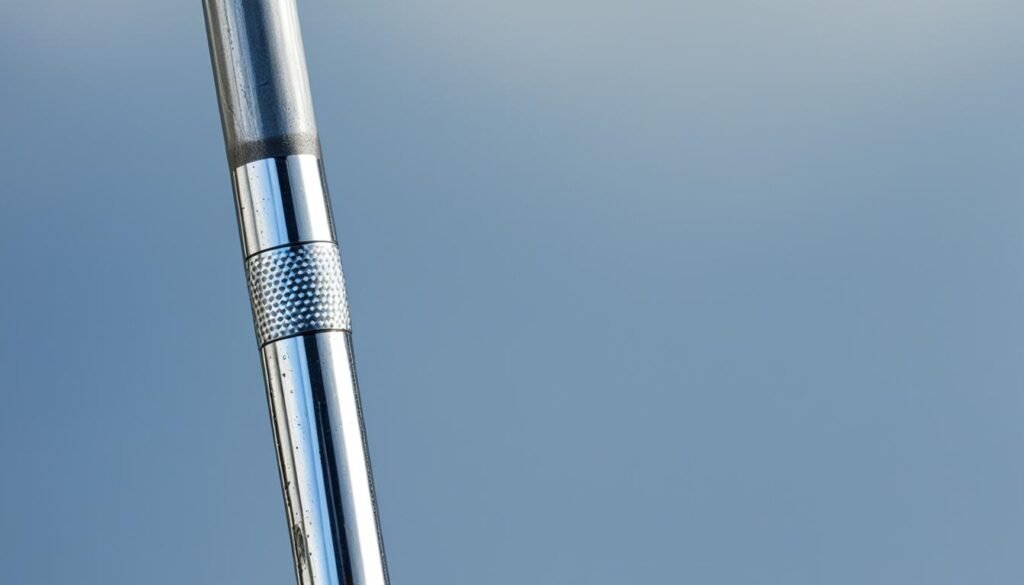
Shafts and grips need their own maintenance routine, separate from clubhead rust removal, because they're dealing with different problems entirely — sweat, oil, and grime instead of oxidation.
Grips get slick over time. Sweat, sunscreen, dirt — it all builds up, and suddenly your "tacky" grip isn't tacky anymore. That's not a rust problem, but it's absolutely a maintenance problem, and it affects your game just as much (arguably more, since grip directly affects control).
Brampton Golf Grip Cleaner Spray
Price: $9.99
A 4 oz spray designed to restore grip tackiness while lifting dirt, oil, and sweat buildup. It also works on grooves and golf balls, so it's not a one-trick product.
Features:
- Free of PFAS and ammonia
- Works across rubber, synthetic, and leather grips
- Doubles as a groove and ball cleaner
- Simple spray-and-wipe application
Pros:
- Genuinely restores tackiness, not just surface cleanliness
- Small enough to keep in a bag pocket permanently
- Multi-use — grips, grooves, and balls all covered
- Affordable enough to use regularly without a second thought
Cons:
- 4 oz empties faster than you'd expect across a full set
- Not a grip solvent — won't help with actual regripping
- Best results need a cloth alongside it, which isn't included
Best suited for: Golfers whose grips have gotten slick or grimy over a season and want an easy fix short of full replacement.
When to Seek Professional Help for Rust Removal and Club Maintenance
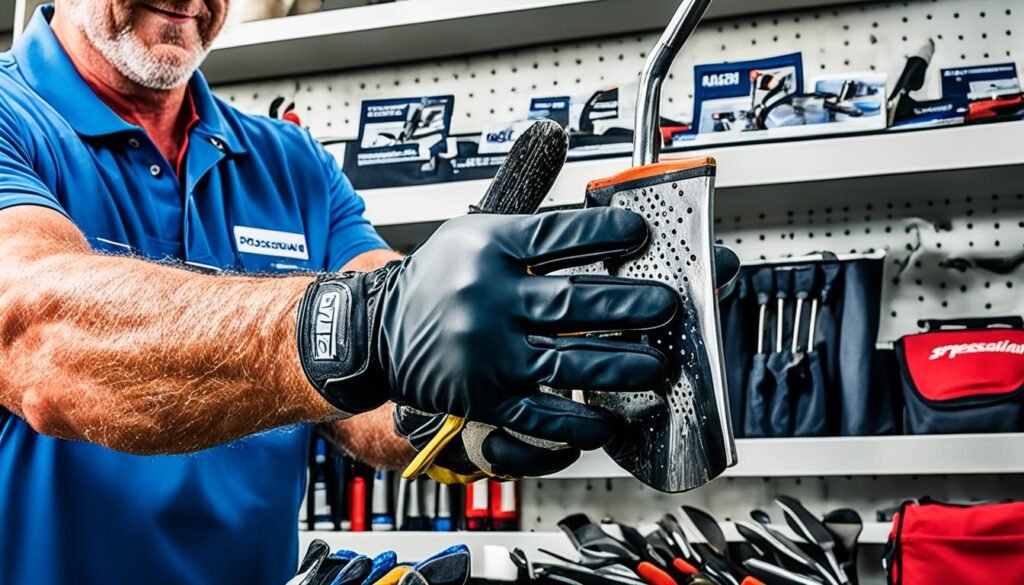
Some rust is beyond what soap, steel wool, or a bottle of polish can fix — and that's when it's time to hand the clubs to someone who does this professionally.
Here's how to know you've crossed that line: if the rust has actually pitted the metal (meaning there are visible dents or rough texture where rust used to be, not just discoloration), scrubbing harder isn't going to help. You'll just keep scratching a surface that's already compromised. Same goes for rust that's spread to the shaft itself, especially near the hosel — that's a structural concern, not a cosmetic one.
A few signs it's time to call in professional rust removal services:
- Rust keeps coming back within days of cleaning it off
- You can feel rough pitting with your fingernail, not just see discoloration
- The rust has reached the shaft, not just the clubhead
- You're dealing with a set of clubs worth genuinely restoring (vintage, collectible, or just expensive)
And honestly? Sometimes repairing clubs professionally costs less than replacing them, especially for irons and putters that aren't cheap to begin with. Worth a phone call before you assume the whole set is done for.
Does Rust Actually Affect Golf Club Performance?
Short answer: yes, but not evenly, and not always in the direction you'd expect.
Rust on the clubface is the real problem. It fills in your grooves — the tiny channels that grab the ball and create spin — and once those are gunked up with rust, they can't do their job. Less grip on the ball means less spin. Less spin means less control, especially on approach shots where you're trying to stop the ball on a dime. Ball speed takes a hit too, though it's subtler. A rusted, pitted face just doesn't transfer energy as cleanly as a smooth one. Physics doesn't care that it's inconvenient.
But here's where it gets interesting, and it's worth actually sitting with this for a second. Not all rust is created equal. A thin, uniform layer of surface rust on a wedge? Some players genuinely prefer it. Cobra's Trusty Rusty Wedges exist because of this exact idea — the rusted finish cuts glare (no shiny distraction staring back at you at address), and a lot of players say it actually helps with spin on shorter shots, not hurts it. Weird, right? The same substance that ruins your driver's performance might be doing your 56-degree wedge a favor.
So what's the actual takeaway? Rust on a driver or irons — where you need consistent, predictable ball flight — is bad news. Clean it. On a dedicated wedge where a little texture might help around the greens? You've got more room to just let it be. Not every rust spot is an emergency. Context matters here more than people think.
One more nuance: surface rust (the light orange haze) barely affects performance at all in the early stages. It's cosmetic more than functional. Deep, pitted rust is where you start seeing real spin loss and inconsistent contact. Don't panic over a little discoloration. Do pay attention once it starts eating into the metal itself.
How to Tell If Your Golf Clubs Are Beyond Saving
At some point, you've got to ask the hard question: is this club worth saving, or am I just throwing good time after bad?
Here's the thing — most rust is fixable. Soap and water, steel wool, a commercial polish, even Coke in a pinch. All of that handles surface-level and moderate rust just fine. But there's a line, and once you cross it, no amount of scrubbing is bringing that club back to form.
Signs a club has crossed that line:
- Pitting you can feel with a fingernail. Not just see — feel. If the rust has actually eaten into the metal and left a rough, uneven texture, that's structural damage, not surface staining. Polish won't fix a pit. It just shines around it.
- Rust that keeps returning within days. Cleaned it Tuesday, it's back by Friday? That usually means the protective finish is fully compromised and the metal underneath is exposed and actively corroding. You're not maintaining anymore — you're chasing.
- Rust that's spread to the shaft, especially near the hosel. This one's serious. A rusted shaft isn't just ugly, it's a structural risk. Nobody wants a club head separating mid-swing.
- Visible flaking or metal loss. If chunks of the surface are actually coming away with the rust (not just discoloration wiping off, but actual material loss), that club has lost integrity it's not getting back.
- Grooves that are worn smooth underneath the rust. Sometimes you clean off the rust and discover the grooves themselves are gone — worn flat from age and years of impact. Rust removal won't restore grooves that have physically eroded.
And look, sometimes the honest answer is: it's not about whether it can be saved. It's about whether it's worth saving. A $40 wedge from a garage sale with pitted rust and worn grooves? Replace it. A vintage Ping putter or a set of persimmon woods with sentimental value? That's when professional refinishing makes sense, even if the repair costs more than the club's resale value. Value isn't always financial.
If you're on the fence, this is exactly the moment to get a second opinion before writing the club off — a quick look from someone who does restoration work professionally can tell you in minutes whether it's a lost cause or an easy fix you were about to give up on too soon.
How Often Should You Clean Your Golf Clubs?
"Regular maintenance" is easy advice to give and useless advice to follow if nobody tells you what "regular" actually means. So let's fix that.
After every round — quick wipe-down. This is non-negotiable, honestly. Takes thirty seconds per club with a towel. Get the dirt, grass, and moisture off before they go back in the bag. This single habit prevents more rust than any cleaning product ever will, because it stops the problem before it starts. Skip this step consistently, and you'll be reading the rust removal sections of this guide a lot more often than you'd like.
Weekly — grooves and grip check. If you're playing multiple times a week, give your irons and wedges an actual groove clean once a week. Brush out the packed dirt and grass, check grips for slickness, wipe everything down properly instead of just a quick pass.
Monthly — full clean and inspect. Once a month, go through the whole bag. Soap and water on the clubheads, a real look at grip condition, and an honest inspection for any rust starting to form. This is also the point where you'd reach for a commercial polish if anything's looking dull or lightly rusted.
Seasonally — deep clean and storage prep. Before winter storage (or before any long stretch where the clubs won't see regular use), do a proper deep clean. Dry everything thoroughly, apply any protective polish, and store the clubs somewhere with stable humidity — not a damp garage corner where moisture just sits and works on the metal all winter.
Here's the honest truth, though: frequency matters less than consistency. A golfer who wipes clubs down after every single round and does a monthly check is going to have cleaner, rust-free clubs than someone who does one intense deep-clean every six months and nothing in between. Little and often beats occasional and thorough, every time, when it comes to rust prevention specifically.
And if you play in a humid or coastal climate? Bump every one of these timelines up. What's "monthly" for someone in Arizona might need to be "every two weeks" for someone playing near the ocean in Florida. Moisture in the air matters just as much as moisture on the club.