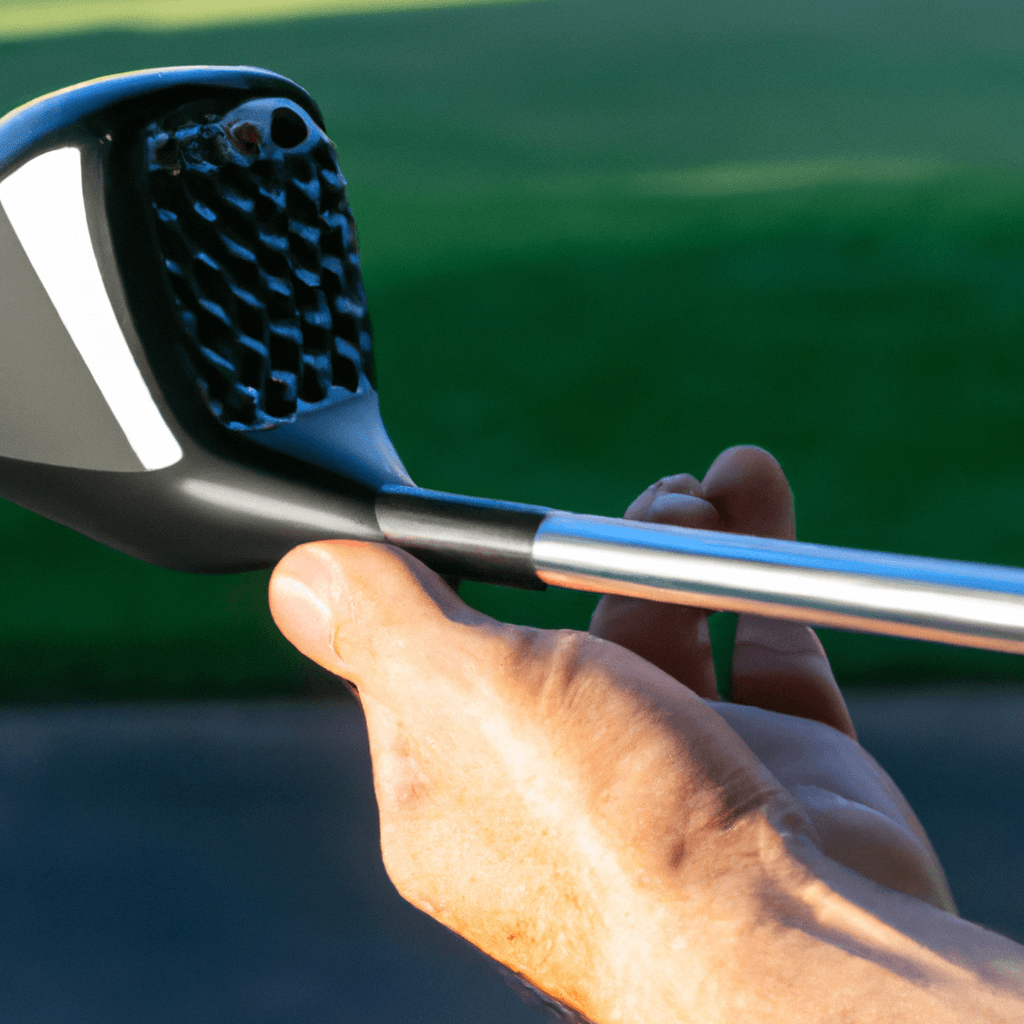
Senior golf clubs differ from regular golf clubs primarily in shaft flex, weight, and loft angles, designed specifically for golfers with slower swing speeds typically under 85 mph. The confusion around this topic runs deeper than most golfers realize.
Walk into any pro shop and you’ll hear the same question echoing from the fitting bay: “Should I really be using senior clubs?” It’s a fair concern. Nobody wants to admit their swing isn’t what it used to be, but here’s the thing – swing speed matters more than age when choosing between senior golf clubs and regular golf clubs.
The Real Difference Isn’t About Getting Older
Most golfers think senior clubs are just “old person clubs.” That’s dead wrong. These clubs are engineered for specific swing characteristics, not birthday candles on your cake. A 30-year-old recovering from shoulder surgery might benefit from senior flex shafts, while a fit 70-year-old could still crush regular flex clubs all day long.
The key specifications that separate these two categories include:
- Shaft flex ratings (Senior/A-flex vs Regular/R-flex)
- Club weight distribution (typically 10-15% lighter in senior models)
- Loft angles (generally 2-4 degrees more loft in senior clubs)
- Shaft length (often 0.5-1 inch shorter)
Why This Decision Actually Impacts Your Game
Choosing wrong here isn’t just about pride – it costs you real distance and accuracy. Regular clubs with stiff shafts can rob 15-20 yards from golfers with moderate swing speeds. Conversely, senior clubs paired with aggressive swings create wild ball flights that’ll have you searching the woods more than the fairway.
Professional club fitters report that roughly 40% of amateur golfers use incorrect shaft flex for their swing speed. That’s not a small problem when you consider how shaft flex affects everything from launch angle to spin rates.
This guide breaks down the technical differences, performance benefits, and practical considerations between senior and regular golf clubs. We’ll cover swing speed testing, brand comparisons, and the transition process – plus debunk some persistent myths that keep golfers playing with the wrong equipment.
Table of Contents
- 1 What Are Senior Golf Clubs and How Do They Differ from Regular Golf Clubs?
- 2 Senior Golf Club Specifications vs Regular Golf Club Specifications
- 3 Performance Benefits of Senior Golf Clubs Over Regular Golf Clubs
- 4 Types of Senior Golf Clubs Available
- 5 How to Determine if You Need Senior Golf Clubs vs Regular Golf Clubs
- 6 Top Senior Golf Club Brands and Models
- 7 Transitioning from Regular to Senior Golf Clubs
- 8 Common Myths About Senior Golf Clubs vs Regular Golf Clubs
- 9 Senior Golf Club Maintenance and Longevity
What Are Senior Golf Clubs and How Do They Differ from Regular Golf Clubs?
Senior golf clubs are specifically engineered with lighter shafts, increased loft angles, and more flexible shaft ratings to optimize performance for golfers with swing speeds between 70-85 mph. The differences run much deeper than most golfers understand.
Think of it this way: regular clubs are built for the “standard” golfer who generates 90+ mph swing speeds with consistent tempo. Senior clubs target a different athletic profile entirely. Manufacturing specifications change across every component – from grip size to center of gravity placement.
Key Differences Between Senior and Regular Golf Clubs
The gap between these club categories spans multiple design elements that directly impact ball flight and distance:
| Component | Senior Golf Clubs | Regular Golf Clubs |
|---|---|---|
| Shaft Flex | A-Flex (Senior) | R-Flex (Regular) |
| Total Weight | 15-25 grams lighter | Standard weight |
| Loft Angles | 2-4 degrees more loft | Standard loft |
| Shaft Length | 0.5-1 inch shorter | Standard length |
| Kick Point | Lower kick point | Mid-high kick point |
| Torque Rating | 4.5-6.0 degrees | 3.0-4.5 degrees |
Shaft flex makes the biggest difference in actual performance. Senior flex shafts bend more during the swing, creating additional clubhead speed through better energy transfer. Regular flex shafts require more force to achieve optimal loading and release.

Club manufacturers like Callaway and TaylorMade design their senior models with perimeter weighting shifts that move the center of gravity lower and deeper. This engineering approach helps golfers with moderate swing speeds achieve higher launch angles without losing distance.
Who Should Consider Senior Golf Clubs?
Age doesn’t determine club selection – swing characteristics do. I’ve fitted 45-year-old executives who benefit from senior flex after years of desk work decreased their flexibility. Meanwhile, some 65-year-old golfers still generate enough clubhead speed for regular flex shafts.
Swing speed remains the primary factor, but other considerations include:
- Physical flexibility and range of motion
- Current distance gaps between clubs
- Ball flight patterns (too low or too high)
- Consistency of contact and accuracy
Golfers who struggle with getting the ball airborne often find senior clubs transformative. The additional loft and lower kick point create higher launch conditions that carry farther than their current setup.
Age vs Swing Speed: When to Make the Switch
Conventional wisdom suggests switching to senior clubs around age 60. That’s nonsense. Swing speed testing provides objective data that trumps assumptions about age-appropriate equipment.
Professional fitting sessions reveal swing speeds through launch monitor analysis. Most golfers discover their actual numbers fall short of their expectations. A golfer swinging 82 mph with regular flex shafts is leaving distance on the table, regardless of their birth certificate.
Physical changes affect swing speed gradually. Loss of flexibility in shoulders and hips reduces the coil in your backswing. Decreased muscle mass impacts the explosive movement through impact. These changes happen at different rates for different golfers – some experience significant drops by age 55, others maintain swing speed into their 70s.
The transition point typically occurs when distance loss becomes noticeable. If your 7-iron used to carry 150 yards and now maxes out at 135 yards, equipment changes might restore some of that lost performance. Senior clubs won’t turn back the clock, but they can optimize the swing speed you currently generate.
Senior Golf Club Specifications vs Regular Golf Club Specifications
Senior golf clubs feature A-flex shafts with 4.5-6.0 degrees of torque, weigh 15-25 grams less than regular clubs, and include 2-4 degrees additional loft to maximize performance for moderate swing speeds. The engineering differences between these categories affect every aspect of ball flight.
Most golfers focus on the obvious stuff – shaft stiffness and club weight. That’s like judging a car by its paint job. The real performance differences hide in technical specifications that manufacturers rarely highlight on their marketing materials.
Shaft Flex Differences: Senior vs Regular Flex
Shaft flex ratings follow industry standards, but the actual performance varies dramatically between manufacturers. A-flex (senior) shafts bend 15-20% more than R-flex (regular) shafts during the downswing sequence.
Here’s where it gets interesting: shaft flex affects timing more than distance. Golfers with 75 mph swing speeds using regular flex shafts can’t load the shaft properly. The club never reaches optimal bend, which means less energy transfers to the ball at impact.
Kick point location separates amateur-friendly designs from tour-level equipment:
| Flex Rating | Bend Profile | Kick Point | Optimal Swing Speed |
|---|---|---|---|
| A-Flex (Senior) | High bend | Low-mid | 70-85 mph |
| R-Flex (Regular) | Moderate bend | Mid | 85-95 mph |
| S-Flex (Stiff) | Minimal bend | Mid-high | 95+ mph |
Senior flex shafts feature lower kick points that help golfers achieve higher ball flights without changing their swing mechanics. Regular flex shafts position the kick point higher, requiring more aggressive swings to achieve optimal launch conditions.
Loft Angles: Why Senior Clubs Have More Loft
Loft progression in senior iron sets starts stronger than you’d expect. Senior 7-irons typically measure 32-34 degrees compared to 30-32 degrees in regular iron sets. This might seem counterintuitive – wouldn’t less loft create more distance?
Physics works differently at moderate swing speeds. Golfers swinging 80 mph generate insufficient ball speed to optimize lower lofts. Additional loft increases carry distance by improving launch angle and spin rate combinations.
Driver loft differences become even more pronounced:
- Senior drivers: 10.5-12 degrees standard loft
- Regular drivers: 9.5-10.5 degrees standard loft
That extra degree or two of loft can add 10-15 yards of carry for golfers with swing speeds below 90 mph. The trade-off? Slightly higher ball flights that some golfers interpret as weakness. Trust the physics over your ego on this one.
Club Length Variations Between Senior and Regular Sets
Standard club lengths assume average height and arm length proportions. Senior club manufacturers reduce standard lengths by 0.5-1 inch across the set, which affects both swing weight and control.
Shorter clubs provide several advantages:
- Improved accuracy through better swing control
- Consistent contact with the center of the clubface
- Reduced strain on back and shoulders during setup
The length reduction gets distributed proportionally throughout the set. A senior driver might measure 44.5 inches instead of the standard 45.5 inches. Iron length decreases follow similar patterns, maintaining consistent swing weight progression.
Weight Distribution: Lighter Senior Clubs vs Heavier Regular Clubs
Total club weight differences range from 15-25 grams between senior and regular models. That might not sound significant, but swing weight changes affect tempo and timing more than raw numbers suggest.
Senior club head designs incorporate lightweight materials like titanium faces and carbon fiber crowns. Regular clubs use more traditional steel construction that adds weight but provides different feel characteristics.
Weight distribution affects swing mechanics:
- Lighter total weight allows faster swing speeds
- Lower swing weights (C8-D0 vs D2-D4) improve tempo control
- Redistributed mass moves center of gravity for better launch conditions
The weight savings compounds throughout a full swing. A lighter driver head might generate 3-5 mph additional swing speed, which translates to 8-12 yards of extra distance. Multiply that effect across an entire set and the performance differences become substantial for golfers with moderate swing speeds.
Some manufacturers take weight reduction too far, creating clubs that feel “whippy” and difficult to control. Premium senior club lines balance weight savings with stability to maintain consistent performance without sacrificing feel.
Performance Benefits of Senior Golf Clubs Over Regular Golf Clubs
Senior golf clubs deliver 10-20 yards more distance, improved accuracy, and higher ball flights for golfers with swing speeds below 85 mph compared to regular flex equipment. The performance gains aren’t subtle – they’re game-changing for the right player.
Most golfers approach equipment changes with skepticism, and rightfully so. The golf industry peddles plenty of snake oil. But senior club technology addresses specific physics problems that moderate swing speed golfers face with standard equipment.
Increased Distance for Slower Swing Speeds
Distance improvements from senior clubs stem from optimized energy transfer during impact. Regular flex shafts require minimum swing speeds to load properly – think of trying to bend a steel rod with moderate force. Senior flex shafts bend more easily, storing and releasing energy efficiently even with gentler swings.
Launch monitor data reveals the distance differences:
| Swing Speed | Regular Clubs Distance | Senior Clubs Distance | Distance Gain |
|---|---|---|---|
| 75 mph | 210 yards (driver) | 225 yards (driver) | +15 yards |
| 80 mph | 230 yards (driver) | 245 yards (driver) | +15 yards |
| 85 mph | 250 yards (driver) | 260 yards (driver) | +10 yards |
The sweet spot for distance gains occurs between 75-85 mph swing speeds. Golfers swinging faster than 90 mph typically see no benefit or slight distance loss from senior flex equipment.
Iron distance improvements follow similar patterns. A golfer with 75 mph driver swing speed might gain 8-12 yards per iron with properly fitted senior clubs. That’s not just one club difference – it’s reshuffling your entire yardage book.
Improved Accuracy and Ball Flight
Senior clubs don’t just add distance – they straighten out wayward shots through better shaft loading characteristics. Regular flex shafts that don’t load properly create inconsistent release patterns. Some shots release early, others late, creating the dreaded spray pattern that haunts weekend golfers.
Shaft flex consistency eliminates timing variables from your swing equation. When the shaft loads and releases predictably, ball flight patterns become more consistent. Miss-hits still happen, but they follow predictable patterns instead of random directions.
Club manufacturers design senior models with higher moment of inertia (MOI) ratings. Translation: the club head resists twisting on off-center hits. A toe strike with a senior iron might cost you 5-8 yards instead of 15-20 yards with regular equipment.
Enhanced Forgiveness on Off-Center Hits
Forgiveness isn’t about making bad swings good – it’s about making mediocre swings playable. Senior club designs incorporate perimeter weighting, larger sweet spots, and cavity back construction that minimizes distance and accuracy loss on mishits.
Game improvement technology reaches its peak in senior club designs:
- Wider soles that glide through turf instead of digging
- Lower centers of gravity that launch balls higher with less effort
- Face technology that maintains ball speed across larger impact areas
- Progressive offset that helps square the clubface at impact
The forgiveness differences show up most dramatically in iron play. A golfer hitting their 7-iron thin with regular clubs might see the ball fly 20 yards short and right. The same swing with a senior iron produces a shot that’s 8 yards short and slightly right – still playable.
Easier Launch and Higher Ball Trajectory
Launch conditions separate good shots from great shots, especially for golfers with moderate swing speeds. Senior clubs optimize launch angle and spin rate combinations that regular equipment can’t match at lower swing speeds.
Physics works against golfers with slower swings. Lower ball speeds require higher launch angles to maximize carry distance. Regular clubs designed for 95+ mph swing speeds create launch angles that are too low for optimal performance at 80 mph.
Senior driver specifications create launch conditions that look like this:
- Launch angle: 12-15 degrees (vs 10-12 degrees with regular drivers)
- Spin rate: 2,400-2,800 rpm (optimized for moderate swing speeds)
- Peak height: 95-110 feet (sufficient for soft landings)
Higher ball flights aren’t just about distance – they’re about stopping power on approach shots. A senior 8-iron that launches high and lands soft gives you pin-seeking capability that low, boring shots from regular clubs can’t match.
The trajectory improvements compound throughout your bag. Better launch conditions with longer clubs mean shorter approach shots into greens. Shorter approach shots mean easier targets and lower scores. It’s not rocket science, but the equipment engineering behind it definitely involves some serious physics.
Types of Senior Golf Clubs Available
Senior golf clubs are manufactured across all club categories including drivers, irons, hybrids, wedges, and putters, with drivers and irons showing the most significant performance differences compared to regular equipment. The variety might surprise golfers who think senior options are limited to basic game improvement sets.
Most golf shops display senior clubs like they’re medical equipment – tucked away in a corner with apologetic signage. That’s a disservice to both the technology and the golfers who could benefit from it. Modern senior club lines rival any equipment in terms of innovation and performance capabilities.
Senior Driver vs Regular Driver: Maximum Distance Comparison
Senior drivers dominate the distance conversation for golfers with swing speeds below 90 mph. The engineering differences create measurable performance advantages that show up immediately on launch monitors.
Head design specifications separate senior from regular drivers:
| Feature | Senior Drivers | Regular Drivers |
|---|---|---|
| Loft Options | 10.5°, 12°, 13.5° | 9°, 9.5°, 10.5° |
| Face Technology | Variable thickness for moderate speeds | Optimized for high speeds |
| Center of Gravity | Lower and deeper | Mid-level positioning |
| Shaft Length | 44.5-45 inches | 45-46 inches |
| Head Volume | 460cc maximum | 460cc maximum |
The loft progression tells the real story. Senior drivers start at 10.5 degrees because anything lower produces suboptimal launch conditions for moderate swing speeds. Regular drivers offer 9-degree options that work brilliantly for golfers generating 100+ mph – but create line drives for everyone else.
Shaft technology differences run deeper than basic flex ratings. Senior driver shafts incorporate torque ratings between 5-6 degrees compared to 3-4 degrees in regular shafts. Higher torque allows the clubface to square more easily at impact, reducing slice spin for golfers with slower hand speeds through the ball.
Distance comparisons from professional fitting data:
- 75 mph swing: Senior driver averages 220-230 yards vs 205-215 yards with regular driver
- 80 mph swing: Senior driver averages 240-250 yards vs 230-240 yards with regular driver
- 85 mph swing: Senior driver averages 255-265 yards vs 250-260 yards with regular driver
Senior Irons vs Regular Irons: Forgiveness and Launch
Senior iron sets prioritize launch assistance over workability – and that’s exactly what most golfers should want. Regular irons assume you can generate sufficient ball speed to optimize standard loft angles. Senior irons recognize that assumption is wrong for many golfers.
Construction differences affect every aspect of iron performance:
- Cavity back designs with deeper cavities for higher MOI
- Wider soles that glide through turf instead of digging
- Progressive offset increases through longer irons
- Lightweight steel shafts or graphite options throughout the set
The loft progression in senior iron sets creates interesting distance gaps. Senior 7-irons typically measure 32-34 degrees compared to 28-30 degrees in distance-oriented regular irons. That might seem like a step backward until you realize the ball flight characteristics.
Launch monitor comparisons show senior irons producing:
- Higher peak trajectory for better stopping power
- Improved dispersion patterns (tighter groupings)
- More consistent distance control across the swing speed range
Smart senior iron designs replace long irons with hybrids. Most sets include 5-6 iron as the longest traditional iron, then transition to hybrid clubs for easier launch and more forgiveness.
Senior Wedges and Short Game Considerations
Wedge selection gets overlooked in senior club discussions, but bounce angles and sole design matter significantly for golfers with steeper attack angles or less aggressive swings through impact.
Senior wedges typically feature:
- Higher bounce angles (10-14 degrees) for turf interaction forgiveness
- Wider soles that prevent digging on fat shots
- Modified groove patterns optimized for moderate swing speeds
- Lighter overall weight for better feel and control
The performance differences show up most on greenside shots and bunker play. Regular wedges designed for aggressive swings can dig too deeply when used with gentler swing speeds. Senior wedges glide through sand and rough more easily.
Senior Putters: Are They Different from Regular Putters?
Putter technology doesn’t change dramatically between senior and regular models, but length and weight considerations do matter for golfers with flexibility limitations or posture changes.
Senior-specific putter features include:
- Slightly longer lengths (34-36 inches vs standard 33-34 inches)
- Lighter head weights for golfers with wrist or arm strength issues
- Higher MOI designs for improved forgiveness on off-center hits
- Counterbalanced options that reduce grip pressure requirements
The length increases help golfers maintain better posture during putting strokes. Flexibility restrictions in shoulders or back often force golfers to bend over excessively with standard-length putters. An extra inch or two allows more comfortable setup positions.
Grip modifications become important for senior putters. Arthritis or reduced hand strength benefits from oversized grips that require less grip pressure. Some manufacturers offer built-up grip options specifically designed for golfers with hand mobility issues.
How to Determine if You Need Senior Golf Clubs vs Regular Golf Clubs
You need senior golf clubs if your driver swing speed measures below 85 mph, you struggle to get the ball airborne with current equipment, or you’ve lost 15+ yards of distance over the past few years. The decision shouldn’t involve guesswork or age assumptions.
Too many golfers make equipment decisions based on pride instead of performance data. I’ve seen 40-year-old golfers benefit from senior flex shafts and 70-year-old golfers still crushing regular flex drivers. Your swing characteristics matter more than your birth certificate when choosing between club categories.
Measuring Your Swing Speed
Swing speed measurement provides the foundation for all equipment decisions. Launch monitors at golf shops offer accurate readings, but the testing conditions matter significantly. One swing on a simulator doesn’t tell the complete story.
Professional fitting sessions measure swing speed across multiple swings with different clubs:
| Club Type | Senior Flex Range | Regular Flex Range | Stiff Flex Range |
|---|---|---|---|
| Driver | 70-85 mph | 85-95 mph | 95+ mph |
| 7-Iron | 60-75 mph | 75-85 mph | 85+ mph |
| Pitching Wedge | 55-70 mph | 70-80 mph | 80+ mph |
Swing speed varies throughout your bag, but driver speed provides the baseline for shaft flex decisions. A golfer swinging their driver at 82 mph typically generates 72 mph with a 7-iron – right in the senior flex wheelhouse.
Temporary factors affect swing speed readings. Cold weather, fatigue, or recent injury can reduce measurements by 5-8 mph. Multiple testing sessions provide more reliable data than single-day fittings. Some golfers swing faster on the course than in fitting studios due to adrenaline and competitive situations.
Swing speed apps using smartphone cameras offer convenient but less accurate measurements. They work fine for general guidance but shouldn’t replace professional launch monitor testing for equipment decisions.
Physical Considerations: Strength and Flexibility
Physical changes affect swing speed and club control in predictable patterns. Flexibility restrictions in shoulders, hips, and spine reduce the ability to create proper swing sequences. Strength decreases impact the explosive movement through the ball.
Specific physical indicators that suggest senior club benefits:
- Reduced shoulder turn creating shorter backswings
- Hip mobility restrictions limiting weight transfer
- Grip strength decreases affecting club control
- Back flexibility issues changing posture and setup positions
- Wrist or elbow problems reducing swing speed through impact
Age-related changes don’t follow universal timelines. A golfer who stays physically active might maintain swing speed into their 70s, while desk-bound professionals experience significant decreases by age 50. Individual assessment trumps general assumptions about age-appropriate equipment.
Medical conditions influence equipment decisions beyond normal aging. Arthritis affects grip strength and wrist mobility. Previous surgeries on shoulders, hips, or back create lasting swing restrictions. Senior clubs accommodate these limitations through lighter weight and more flexible designs.
Current Performance Issues That Signal the Need for Senior Clubs
Performance patterns reveal equipment mismatches more clearly than swing speed numbers. Distance loss represents the most obvious indicator, but other signs suggest equipment changes might help.
Telltale performance indicators:
- Consistently low ball flights despite adequate swing mechanics
- Significant distance gaps between adjacent clubs (more than 15 yards)
- Difficulty getting fairway woods airborne from good lies
- Iron shots that feel “heavy” or require extra effort
- Increased slice tendency with driver and long irons
- Fatigue after practice sessions due to overexertion
Ball flight analysis provides objective evidence of equipment problems. Low, penetrating shots from moderate swing speeds indicate insufficient loft or inappropriate shaft flex. High, weak shots suggest the opposite problem – too much loft or excessive shaft flex.
Dispersion patterns change with inappropriate equipment. Regular clubs paired with slower swing speeds create inconsistent ball flights as the shaft loads unpredictably. Senior clubs produce tighter shot patterns through more consistent shaft performance.
Professional Fitting: Getting Expert Advice
Professional club fitting eliminates guesswork from equipment decisions. Certified fitters use launch monitors to measure ball speed, launch angle, spin rate, and carry distance across different club specifications.
Quality fitting sessions include:
- Baseline measurements with current equipment
- Shaft flex comparisons across multiple manufacturers
- Loft optimization for individual swing characteristics
- Length and lie angle adjustments for proper setup
- Grip size recommendations based on hand measurements
Fitting costs range from $100-300 for iron sets and $50-150 for individual clubs. That investment pays dividends through improved performance and equipment longevity. Properly fitted clubs last longer and perform better than off-the-rack purchases.
Club manufacturer fitting events offer free or discounted sessions but limit testing to specific brands. Independent fitters provide unbiased recommendations across multiple manufacturers but charge higher fees. Both approaches work well if the fitter uses quality launch monitor technology.
The fitting process reveals surprising information about individual swing characteristics. Many golfers discover their assumptions about swing speed, ball flight preferences, and equipment suitability were completely wrong. Professional fitters see these patterns daily and can guide equipment decisions based on data rather than guesswork.
Top Senior Golf Club Brands and Models
Callaway, TaylorMade, and Cobra manufacture the highest-performing senior golf clubs, with complete sets ranging from $800-2,500 and individual clubs priced between $150-400 depending on technology level. The quality differences between brands matter less than finding proper specifications for your swing characteristics.
Most golfers obsess over brand loyalty when they should focus on engineering specifications and fitting results. A perfectly fitted Cobra senior iron will outperform an off-the-rack TaylorMade regular iron every single time. Brand reputation doesn’t compensate for inappropriate equipment choices.
Best Complete Senior Golf Club Sets
Complete senior golf club sets eliminate the guesswork of building individual club combinations. Manufacturers design these sets with consistent shaft flex, swing weight progression, and loft gaps optimized for moderate swing speeds.
Top-performing senior club sets:
| Brand/Model | Price Range | Key Features | Best For |
|---|---|---|---|
| Callaway Big Bertha B21 | $1,200-1,800 | AI-designed faces, offset design | Maximum forgiveness |
| TaylorMade SIM2 Max Senior | $1,000-1,500 | Speed Bridge technology, lightweight | Distance and accuracy |
| Cobra T-Rail Combo Set | $800-1,200 | Hybrid-iron design, hollow body | Easy launch |
| Wilson Staff D9 Senior | $600-900 | Power holes, lightweight construction | Budget performance |
| Cleveland Launcher Turbo | $700-1,100 | Turbocharged face, senior flex graphite | Moderate swing speeds |
Callaway Big Bertha B21 sets dominate fitting results for golfers with swing speeds between 75-85 mph. The AI Flash Face technology optimizes ball speed across larger impact areas, while progressive offset helps square the clubface through impact.
Complete set configurations typically include:
- Driver (10.5° or 12° loft)
- Fairway woods (3W, 5W)
- Hybrid clubs (4H, 5H)
- Irons (6-PW)
- Sand wedge
- Putter
The hybrid-heavy configurations make sense for senior golfers. Long irons become nearly impossible to hit consistently with moderate swing speeds, while hybrids launch easily and provide excellent distance control.
Premium Senior Golf Clubs vs Budget Options
Premium senior clubs incorporate advanced materials and manufacturing processes that create measurable performance advantages over budget alternatives. The price differences reflect real technology gaps, not just marketing hype.
Premium features worth the extra cost:
- Titanium or carbon fiber construction for weight savings
- Variable face thickness for improved ball speed
- Adjustable loft and lie options for custom fitting
- Tour-proven shaft options from premium manufacturers
- Multi-material construction optimizing center of gravity placement
Budget senior clubs sacrifice some performance for affordability but still provide significant benefits over inappropriate regular equipment. Wilson Staff, Top Flite, and Strata manufacture decent senior clubs that cost 40-60% less than premium options.
The performance gap between premium and budget senior clubs narrows significantly compared to regular club categories. Senior club engineering priorities favor forgiveness and launch assistance over precision and workability – characteristics that budget manufacturers can achieve more easily.
Hybrid Senior Clubs: Replacing Long Irons
Hybrid clubs represent the most important innovation in senior golf club design. Physics works against long iron performance at moderate swing speeds, while hybrid designs optimize launch conditions for golfers who struggle with traditional long irons.
Senior hybrid specifications:
- Loft options: 19°, 22°, 25°, 28° (replacing 3-6 irons)
- Shaft length: Slightly shorter than equivalent irons
- Center of gravity: Lower and deeper for easier launch
- Face technology: Thin, flexible faces for distance
- Sole design: Wide soles that glide through turf
Hybrid performance advantages become dramatic for golfers with swing speeds below 85 mph. A senior golfer might carry their 4-hybrid 160 yards while struggling to get a 4-iron airborne consistently. That’s not a minor improvement – it’s the difference between attacking pins and laying up short.
Progressive hybrid sets replace multiple long irons with hybrids designed for specific yardage gaps. Some manufacturers offer hybrid-only iron sets that eliminate traditional long irons entirely. These extreme approaches work well for golfers who prioritize launch and forgiveness over shot-making versatility.
Game Improvement Features in Senior Golf Clubs
Modern senior clubs incorporate game improvement technologies that were unimaginable even five years ago. Artificial intelligence designs faces, computer modeling optimizes weight distribution, and advanced materials create previously impossible performance combinations.
Current game improvement features:
- AI-designed clubfaces that optimize ball speed across impact locations
- Progressive center of gravity positioning throughout iron sets
- Speed-enhancing face technologies like variable thickness and flex zones
- Perimeter weighting systems that increase MOI without adding total weight
- Sole design innovations that improve turf interaction and reduce fat shots
Callaway’s AI Flash Face technology analyzes thousands of virtual impact scenarios to create face designs optimized for senior swing characteristics. TaylorMade’s Speed Bridge connects the back of iron heads to redistribute weight while maintaining structural integrity.
These technologies aren’t marketing gimmicks – launch monitor testing proves their effectiveness for golfers with moderate swing speeds. The performance improvements show up as increased ball speed, higher launch angles, and tighter dispersion patterns.
Technology adoption trickles down from premium to budget models over 2-3 year cycles. Features that cost $300 per club in premium lines appear in $100 budget options after manufacturers recoup development costs. Patient golfers can benefit from cutting-edge technology at reasonable prices by waiting for this natural progression.
Transitioning from Regular to Senior Golf Clubs
Transitioning from regular to senior golf clubs typically requires a 2-4 week adjustment period as golfers adapt to different shaft flex, swing timing, and ball flight characteristics. The change affects every aspect of your game, from tee shots to approach shots.
Most golfers expect immediate improvements after switching to senior clubs. That’s not how equipment transitions work. Your swing timing developed over years with regular flex shafts, and muscle memory doesn’t disappear overnight. The adjustment period separates golfers who benefit from those who return to their old equipment.
What to Expect When Switching Club Types
Ball flight changes represent the most noticeable difference when transitioning to senior golf clubs. Higher trajectory and increased spin rates create shots that look and feel different from your previous equipment. Some golfers interpret these changes negatively until they see the distance and accuracy improvements.
Immediate changes you’ll notice:
- Higher ball flights across all clubs in your bag
- Different sound and feel at impact due to shaft flex changes
- Altered swing timing as shafts load and release differently
- Modified distance gaps between clubs requiring yardage book updates
- Improved launch conditions from tee and fairway lies
Distance adjustments affect club selection significantly. Your new senior 7-iron might fly 145 yards instead of your old 135-yard regular 7-iron. That’s not just a 10-yard improvement – it changes approach shot strategy for dozens of holes on your home course.
Swing feel modifications confuse golfers initially. Senior flex shafts load more noticeably during the backswing and release more dramatically through impact. Regular flex users often describe senior clubs as feeling “whippy” or unstable until they adapt to the increased shaft movement.
Adjustment Period and Learning Curve
The learning curve for senior golf clubs follows predictable patterns based on swing characteristics and previous equipment experience. Golfers with smooth, rhythmic swings adapt faster than aggressive swingers who fight the increased shaft flex.
Typical adjustment timeline:
| Week | Expected Changes | Common Issues |
|---|---|---|
| Week 1 | Distance improvements, timing confusion | Inconsistent ball striking |
| Week 2 | Better launch conditions, swing adjustments | Occasional over-swinging |
| Week 3 | Improved accuracy patterns, distance control | Fine-tuning yardages |
| Week 4 | Full adaptation, consistent performance | Rare timing lapses |
Practice range sessions during the transition period should focus on tempo and timing rather than swing mechanics. Senior shafts require slightly slower transitions from backswing to downswing, allowing the shaft to load properly before release.
Some golfers never fully adapt to senior club characteristics. Aggressive swing styles that worked with regular flex shafts can create erratic results with more flexible equipment. These golfers might benefit from hybrid approaches that mix shaft flexes throughout their bag.
Course management strategies change with senior equipment. Higher ball flights create better stopping power on approach shots but require adjustments for wind conditions. Golfers learn to trust the increased trajectory instead of trying to hit lower, penetrating shots.
Mixing Senior and Regular Clubs in Your Bag
Combining senior and regular golf clubs in the same bag creates performance inconsistencies that outweigh any perceived benefits. Different shaft flexes require different swing timing, making it nearly impossible to maintain consistent tempo throughout your round.
Problems with mixed equipment:
- Inconsistent swing timing between different shaft flexes
- Varying ball flight patterns that complicate distance control
- Different feel characteristics disrupting swing rhythm
- Conflicting equipment feedback during practice sessions
Partial transitions work better than random mixing. Some golfers benefit from senior shafts in longer clubs (driver through 6-iron) while maintaining regular flex in short irons and wedges. This approach addresses launch issues with longer clubs while preserving control in scoring clubs.
Wedge considerations represent the main exception to uniform shaft flex recommendations. Many golfers prefer regular or stiff flex wedges regardless of their other equipment choices. Short game shots require precision over distance, and stiffer wedge shafts provide better feedback and control.
Driver and fairway wood combinations work well with senior specifications while maintaining regular flex throughout iron sets. This hybrid approach addresses the most common senior golfer problem – getting tee shots and long approach shots airborne – without changing short game feel.
Cost Considerations for Upgrading Your Set
Complete senior golf club transitions represent significant financial investments, but partial upgrades can provide substantial benefits at lower costs. Smart golfers prioritize club replacements based on performance gaps and budget constraints.
Upgrade priority recommendations:
- Driver – Largest distance and accuracy improvements
- Long irons (4-6) – Replace with senior hybrids
- Fairway woods – Better launch than regular equipment
- Mid-irons (7-9) – Consistent shaft flex throughout set
- Short irons and wedges – Lowest priority for senior specifications
Individual club costs vary significantly based on brand and technology level:
| Club Category | Budget Options | Mid-Range | Premium |
|---|---|---|---|
| Driver | $150-250 | $300-450 | $500-650 |
| Fairway Woods | $100-180 | $200-300 | $350-500 |
| Hybrids | $80-150 | $180-250 | $300-400 |
| Individual Irons | $60-100 | $120-180 | $200-300 |
Trade-in programs at golf shops reduce upgrade costs significantly. Well-maintained regular clubs retain 40-60% of original value when traded toward senior equipment purchases. Some manufacturers offer loyalty programs that provide additional discounts for brand-consistent upgrades.
Timing purchases around model year changes creates substantial savings opportunities. Previous-generation senior clubs perform nearly identically to current models while costing 30-50% less. Most golfers can’t detect performance differences between consecutive model years from the same manufacturer.
Used equipment markets offer excellent values for senior golf clubs. Many golfers purchase senior equipment, decide it’s not appropriate, and resell barely-used clubs at significant discounts. Online marketplaces like GlobalGolf and 2ndSwing specialize in quality used equipment with return guarantees.
Common Myths About Senior Golf Clubs vs Regular Golf Clubs
The biggest myth about senior golf clubs is that they’re only for elderly golfers, when in reality they benefit any golfer with swing speeds below 85 mph regardless of age. These misconceptions prevent thousands of golfers from using equipment that could dramatically improve their performance.
Golf equipment myths spread faster than actual performance data. Pride and misinformation create barriers that keep golfers using inappropriate equipment for years. I’ve seen 35-year-old golfers benefit from senior flex shafts and 75-year-old golfers still bombing regular flex drivers down the fairway.
“Senior Clubs Are Only for Elderly Golfers”
Age has nothing to do with appropriate golf equipment selection. Swing speed, flexibility, and strength determine optimal club specifications – not the number of candles on your birthday cake. This myth causes more equipment mismatches than any other factor in golf retail.
Golfers who benefit from senior clubs regardless of age:
- Recovery patients returning from shoulder, back, or hip surgeries
- Recreational golfers who prioritize golf as relaxation over athletic competition
- Weekend players without time for extensive practice and conditioning
- Business professionals with limited flexibility from desk work
- Golfers with arthritis or other mobility-affecting conditions
Professional club fitters report that 30% of their senior club recommendations go to golfers under age 55. Physical condition and swing characteristics matter infinitely more than chronological age when selecting appropriate equipment.
The stigma attached to senior clubs creates real performance problems. Golfers struggle with regular flex equipment for years rather than admit they might benefit from more flexible shafts. That’s ego getting in the way of lower scores and increased enjoyment.
Marketing terminology contributes to the confusion. Terms like “senior flex” and “senior clubs” imply age restrictions that don’t exist in equipment performance. Some manufacturers use alternative names like “A-flex” or “Lightweight” to avoid age-related connotations.
“You’ll Lose Distance with Senior Golf Clubs”
Distance loss represents the most persistent myth about senior golf club performance. Physics proves the opposite – golfers with moderate swing speeds gain distance with properly fitted senior equipment compared to regular clubs.
Launch monitor data destroys this myth:
| Swing Speed | Regular Clubs | Senior Clubs | Distance Difference |
|---|---|---|---|
| 75 mph | 205 yards | 225 yards | +20 yards |
| 80 mph | 225 yards | 245 yards | +20 yards |
| 85 mph | 245 yards | 260 yards | +15 yards |
| 90 mph | 265 yards | 260 yards | -5 yards |
The distance improvements occur because senior club specifications optimize energy transfer at moderate swing speeds. Regular flex shafts require minimum swing speeds to load properly – without adequate loading, energy transfer efficiency drops significantly.
Ball flight optimization creates additional distance gains beyond shaft flex improvements. Senior club loft angles and center of gravity positioning produce launch conditions that maximize carry distance for golfers with slower ball speeds.
Distance loss only occurs when golfers use senior equipment with swing speeds exceeding 90 mph. These golfers over-flex senior shafts, creating inconsistent release timing and suboptimal ball flight characteristics.
“Senior Clubs Look Different from Regular Clubs”
Modern senior golf clubs are visually indistinguishable from regular equipment. Manufacturers eliminated obvious cosmetic differences that once made senior clubs easily identifiable to playing partners and competitors.
Visual similarities between senior and regular clubs:
- Identical head sizes and shapes across driver and iron categories
- Standard finishes including chrome, black, and colored options
- Similar alignment aids and cosmetic features
- Matching set aesthetics throughout bag combinations
- Professional appearance suitable for any golf environment
Shaft graphics represent the only potential visual difference, and most manufacturers use subtle markings that don’t scream “senior equipment” to casual observers. Some companies offer identical shaft graphics across flex options.
The cosmetic evolution occurred because manufacturers recognized that appearance concerns prevented equipment sales. Golfers avoided senior clubs that looked obviously different from equipment used by skilled players.
Performance technology in senior clubs now matches or exceeds regular equipment innovations. Features like adjustable weights, variable face thickness, and aerodynamic shaping appear throughout senior club lines.
“All Golfers Should Eventually Switch to Senior Golf Clubs”
Universal transitions to senior golf equipment represent dangerous oversimplification of individual equipment needs. Some golfers maintain swing speeds and physical capabilities that make regular or even stiff flex equipment appropriate throughout their golfing careers.
Factors that support continued regular club use:
- Maintained swing speeds above 85 mph through fitness and practice
- Consistent flexibility from stretching and physical conditioning programs
- Aggressive swing styles that require shaft stability for timing consistency
- Shot-making preferences that prioritize workability over forgiveness
Physical maintenance programs allow many golfers to delay or avoid transitions to senior equipment. Regular exercise, flexibility training, and proper nutrition can preserve swing characteristics well beyond typical aging expectations.
Individual variation in aging effects makes universal recommendations impossible. Some 80-year-old golfers generate more swing speed than sedentary 50-year-olds. Genetic factors, lifetime fitness habits, and medical history create unique equipment requirements.
Periodic reassessment makes more sense than automatic equipment transitions. Annual swing speed testing and performance evaluation identify actual changes rather than assumed deterioration. Many golfers discover their swing characteristics remain stable for decades with proper conditioning.
Equipment transitions should be performance-driven, not age-driven. When distance decreases, accuracy suffers, or ball flight becomes suboptimal, equipment evaluation makes sense. Until performance problems develop, maintaining current equipment specifications often provides the best results.
Senior Golf Club Maintenance and Longevity
Senior golf clubs require identical maintenance procedures to regular clubs, including regular cleaning, proper storage, and annual grip replacement, with quality senior equipment lasting 8-12 years with proper care. The lighter construction materials demand slightly more attention to prevent damage from neglect.
Most golfers assume senior clubs are more fragile than regular equipment. That’s backward thinking. Modern senior club construction uses advanced materials like titanium and carbon fiber that often outlast traditional steel components. The difference lies in understanding how these materials respond to maintenance routines.
Caring for Senior Golf Clubs
Senior golf club maintenance starts with post-round cleaning that removes dirt, grass, and moisture from clubheads and shafts. Graphite shafts used in senior equipment require gentler cleaning methods than steel shafts found in regular clubs.
Proper cleaning procedures:
- Warm soapy water for clubheads (never hot water on graphite)
- Soft-bristled brushes for groove cleaning without scratching
- Dry towels for thorough moisture removal after cleaning
- Avoid harsh chemicals that can damage graphite shaft finishes
- Individual club protection during bag storage and transport
Graphite shaft care differs significantly from steel shaft maintenance. Graphite responds poorly to extreme temperature changes and can develop micro-cracks from repeated impacts against hard surfaces. Cart paths, concrete, and cart floors create cumulative damage over time.
Storage recommendations for senior clubs include:
- Climate-controlled environments to prevent material expansion and contraction
- Individual club slots in bags to prevent shaft contact and scratching
- Head covers for drivers and fairway woods with graphite shafts
- Vertical storage to prevent shaft stress from leaning positions
The lightweight construction of senior clubs makes them more susceptible to transport damage. Golf bag protection becomes critical when traveling or using golf carts on rough terrain.
When to Replace Senior Golf Clubs
Senior golf club replacement timing depends more on performance degradation than cosmetic wear. Advanced materials maintain structural integrity longer than traditional construction methods, but technology improvements create compelling upgrade reasons.
Performance indicators that suggest replacement consideration:
| Issue | Cause | Replacement Priority |
|---|---|---|
| Distance loss | Face wear or shaft fatigue | High |
| Inconsistent ball flight | Shaft flex changes | High |
| Grip slippage | Worn grips (easily fixed) | Low |
| Cosmetic damage | Normal wear | Low |
| Clubhead rattling | Loose components | Medium |
Shaft flex degradation occurs gradually over thousands of swings. Graphite shafts can lose flex characteristics through repeated loading cycles, creating timing issues and distance loss. Professional shaft testing identifies flex changes that affect performance.
Face technology improvements create upgrade opportunities every 3-5 years. Senior club faces incorporate variable thickness designs and advanced materials that produce measurable distance gains over older equipment. The improvements aren’t marketing hype – launch monitor testing proves their effectiveness.
Technology replacement cycles in senior equipment follow predictable patterns. Features that appear in premium models eventually migrate to mid-range and budget options. Patient golfers can benefit from cutting-edge technology at reasonable prices by waiting 2-3 years after initial introduction.
Upgrading Individual Clubs vs Complete Sets
Individual club replacement often makes more sense than complete set upgrades for senior golfers. Driver and fairway wood technology advances faster than iron development, creating opportunities for targeted improvements.
Upgrade priority ranking:
- Driver – Technology changes create largest performance gains
- Fairway woods – Launch assistance improvements significant
- Long irons/hybrids – Forgiveness technology advances rapidly
- Mid-irons – Moderate technology improvements
- Short irons – Minimal performance gains from upgrades
Driver upgrades provide the most dramatic performance improvements. Face technology, weight distribution, and aerodynamic advances occur annually in driver design. A 3-year-old senior driver might give up 15-20 yards compared to current models.
Iron set partial replacement works well for senior golfers. Replacing long irons (4-6) with current hybrid technology while maintaining existing short irons (7-PW) creates performance improvements without complete set costs.
Compatibility considerations affect individual club upgrades. Shaft flex, swing weight, and length specifications should match existing equipment to maintain consistent feel throughout the bag.
Resale Value: Senior vs Regular Golf Clubs
Senior golf club resale values lag behind regular equipment by 10-15% due to smaller market demand. The performance gap between new and used senior clubs often justifies the resale value difference for budget-conscious golfers.
Resale value factors:
| Brand Tier | 1-Year Depreciation | 3-Year Value | 5-Year Value |
|---|---|---|---|
| Premium | 35-40% | 50-60% | 25-35% |
| Mid-Range | 45-50% | 35-45% | 15-25% |
| Budget | 55-60% | 20-30% | 5-15% |
Condition impacts resale values more than age for senior clubs. Well-maintained 3-year-old premium senior clubs often sell for higher prices than neglected 1-year-old equipment. Cosmetic condition, grip quality, and component integrity determine market value.
Market demand for used senior clubs remains steady due to growing demographics of golfers transitioning from regular equipment. Baby boomer golfers create consistent demand for quality used senior clubs at reasonable prices.
Trade-in programs at golf shops provide convenient disposal options but typically offer 20-30% below private sale values. The convenience factor makes trade-ins attractive for golfers who don’t want the hassle of private sales.
Timing sales around new model releases maximizes resale returns. Current model year senior clubs lose significant value when manufacturers announce new releases. Strategic timing can improve resale returns by 15-25% compared to post-release sales.
Online marketplaces like eBay, Facebook Marketplace, and specialty golf sites provide broader market reach than local sales. Detailed descriptions and multiple photos help overcome buyer concerns about purchasing senior equipment sight unseen.