Affiliate Disclosure: As an Amazon Associate, I earn from qualifying purchases made through the affiliate links in this article at no extra cost to you.
After researching the current lineup of low-compression, senior-friendly golf balls, the overall winner among the best golf balls for seniors for 2026 is the Callaway Supersoft, thanks to its ~38 compression core and hybrid cover that turns slower swing speeds into real distance. For pure yardage, the Bridgestone e6 takes the longest-distance crown, while the Wilson Staff Duo Soft+ is the most forgiving and lowest-compression option on this list at roughly 35 compression. If a slice is your biggest scoring problem, the Vice Tour Soft is the best pick for straight flight (anti-slice), and golfers on a tight budget will want to start with the Amazon Basics Core Soft, the best golf ball for seniors under $20. Every ball below is a new, currently listed, in-stock Amazon product — no used or third-party "open box" listings included.
Best Golf Balls for Seniors for 2026 at a Glance
Here's the fast answer: if you only read one section of this guide, make it this one, because the table below maps every pick to exactly who it's for.
👉 Swipe left/right to scroll
| Rank | Ball | Best For | Special Features | Compression | Ideal Swing Speed |
|---|---|---|---|---|---|
| 1 | Callaway Supersoft | Best Overall Senior Golf Ball | HyperElastic SoftFast Core, Hybrid Cover | ~38 | 75–90 mph |
| 2 | Titleist Tour Soft | Best for Low Handicap Seniors | 386 dimple pattern, tour-style short game | 65 | 85–100 mph |
| 3 | Srixon Soft Feel | Best for Mid Handicap Seniors | FastLayer Core, Spin Skin coating | 60 | 75–90 mph |
| 4 | TaylorMade Soft Response | Best for High Handicap Seniors | Speedmantle, low-drag dimple pattern | 55 | 75–90 mph |
| 5 | Bridgestone e6 | Longest Distance Pick | Delta Wing dimples, low-drag aerodynamics | 44 | 75–95 mph |
| 6 | Wilson Staff Duo Soft+ | Most Forgiving / Lowest Compression | Guinness World Record-certified softest ball | 35 | Under 75 mph |
| 7 | Vice Tour Soft | Best for Straight Flight (Anti-Slice) | Low long-game spin, urethane-style cover feel | 60 | 80–95 mph |
| 8 | Mizuno RB 566V | Best for 85–95 mph Swing Speeds | Butyl core, soft ionomer cover | 55 | 85–95 mph |
| 9 | Snell Get Sum | Best Tour-Level Feel for Seniors | Direct-to-consumer, 3-piece urethane | 60 | 85–100 mph |
| 10 | OnCore ELIXR | Best for Consistent Trajectory | Dual-core with metal-infused center | 70 | 90–100 mph |
| 11 | Pinnacle Soft | Best Budget Distance Ball | 2-piece, high-energy core | 40 | Under 80 mph |
| 12 | Volvik Vivid | Best High-Visibility Ball for Seniors | Matte finish, bright colorways | 50 | 75–90 mph |
| 13 | Amazon Basics Core Soft | Best Golf Ball for Seniors Under $20 | Low compression core, side-stamp alignment | 50 | 75–90 mph |
| 14 | Wilson Staff Fifty Elite | Best for Golfers Over 50 | Designed specifically around 50+ swing data | 50 | 75–90 mph |
| 15 | Maxfli Softfli | Best Value Soft-Feel Ball | Low compression, large soft core | 38 | Under 80 mph |
| 16 | Cut Grey | Best Direct-to-Consumer Value Pick | 3-piece, urethane-like cover | 70 | 85–95 mph |
| 17 | Nitro Long Distance | Best for Under 65 mph Swing Speeds | Oversized core, 2-piece surlyn cover | 80 (effective low-launch) | Under 70 mph |
| 18 | TaylorMade SpeedSoft | Best Feel Off the Putter | Softest TaylorMade cover ever made | 48 | 75–90 mph |
| Best Golf Balls for Seniors | Features and Specifications |
|---|---|
 Callaway Golf Supersoft | • Ultra-low compression maximizes distance at slower speeds • Increased Ball Speed with Soft Feel: The HyperElastic SoftFast Core is engineered for faster driver and iron speed, with soft greenside feel. • Exceptional Feel, Control and Spin with Long Distance: Supersoft’s Hybrid Cover combines maximized distance with soft feel and durability. • Greenside Spin and Control: New cover system for enhanced control on approach shots and short game shots. • Size: One Dozen • Material: Polyurethane (PU) • Color: White • Age Range: Adult • Weight: 45.5 g |
 Srixon Soft Feel | • FastLayer core provides tour-like feedback • Soft Without Compromise: If feel is what matters most to you, play Soft Feel for maximum all-around performance. Soft Feel technology provides responsive feel for excellent control from tee to green. • Increased Distance: Engineered for maximum distance with a high-energy core that boosts ball speed, ideal for golfers seeking longer drives. • Low Compression: Perfect for golfers with slower or medium swing speeds, delivering a soft feel and easy launch for improved accuracy and control. • 338 Speed Dimple Pattern: Speed dimples reduce drag at launch increase lift during descent. The soft thin cover provides less spin off the driver but more greenside spin and a softer feel on pitches, chips, and putts. • Material: Polyurethane (PU) • Style: Softfeel 14 • Color: White • Age Range: Adult • Weight: 454 g |
 Wilson Duo Soft Plus Golf Balls | • World’s softest and longest premium 2-piece ball • Ultra-low compression (approximately 35) powered by the VelocityCOR core technology • Wilson DUO Soft custom, personalized, and logo golf balls • Create a custom golf balls for your next corporate get-together or sponsored event. • WORLD'S SOFTEST GOLF BALL: Industry-leading feel that delivers exceptional feedback on all shots • HIGH ENERGY CORE: Advanced materials in the core amplify every ounce of power from your swing, for greater consistency distance • STRAIGHTER FLIGHT: Two-layer construction reduces spin on longer shots • Color: White • Pack of 12 golf balls |
Why Golf Ball Selection Matters More for Senior Golfers
Choosing the best golf balls for seniors for 2026 isn't about brand loyalty — it's about physics. As swing speed declines with age, the ball's compression, core construction, and cover material determine whether you keep or lose distance, spin, and control.
What changes physically as golfers age:
| Factor | Effect on Ball Flight | Why It Matters |
|---|---|---|
| Slower clubhead speed | Less energy transferred to the ball at impact | A firm, high-compression ball never fully compresses, killing distance |
| Reduced wrist/hip rotation | Lower spin rates, more side-spin (slice tendency) | Low-spin, straight-flight balls correct for mishits |
| Softer, slower tempo | Lower launch angle off the driver | Low-compression cores launch higher without extra swing effort |
| Joint stiffness / grip changes | Less consistent strike location | Forgiving, larger-core balls hold ball speed on off-center hits |
The core rule for the best golf balls for seniors for 2026: match ball compression to swing speed.
- Under 75 mph driver swing speed: look for compression ratings of 30–45
- 75–85 mph (the average senior swing speed): compression ratings of 40–60 perform best
- 85–95 mph: compression ratings of 55–75 give the best blend of distance and control
- Above 95 mph: seniors with faster swings can consider mid-compression tour balls (65–80)
Playing a ball that's too firm for your swing speed is the single most common — and most expensive — mistake senior golfers make. It costs distance off every club, not just the driver.
Best Golf Balls for Seniors for 2026 by Swing Speed
Best Golf Balls for Seniors for 2026 Under 75 mph Swing Speed
Golfers swinging under 75 mph need the lowest compression cores available to get any spring-like effect at impact.
| Rank | Ball | Compression | Price (Approx.) | Why It Fits |
|---|---|---|---|---|
| 1 | Wilson Staff Duo Soft+ | 35 | $22.99/dozen | Record-low compression maximizes ball speed at slow swings |
| 2 | Maxfli Softfli | 38 | $19.99/dozen | Oversized soft core designed for slow-swing distance |
| 3 | Nitro Long Distance | Low-launch design | $17.99/15-pack | High launch angle compensates for low clubhead speed |
| 4 | Pinnacle Soft | 40 | $18.99/dozen | Budget-friendly, easy compression at slow tempos |
| 5 | Callaway Supersoft | 38 | $24.99/dozen | Still performs at the very bottom of the swing-speed range |
Best Golf Balls for Seniors for 2026 for 75 to 85 mph (Moderate / Average Senior Swing Speed)
This is the most common senior swing-speed bracket, and where most "best golf balls for seniors" recommendations are concentrated.
| Rank | Ball | Compression | Price (Approx.) | Why It Fits |
|---|---|---|---|---|
| 1 | Callaway Supersoft | 38 | $24.99/dozen | Best all-around match for this exact swing-speed range |
| 2 | Srixon Soft Feel | 60 | $21.99/dozen | FastLayer Core softens progressively toward the center |
| 3 | TaylorMade SpeedSoft | 48 | $23.99/dozen | Soft compression with tour-adjacent short-game feel |
| 4 | Amazon Basics Core Soft | 50 | $16.99/dozen | Budget pick that still fits the compression window |
| 5 | Wilson Staff Fifty Elite | 50 | $19.99/dozen | Purpose-built around 50+ swing-speed data |
Best Golf Balls for Seniors for 2026 for 85 to 95 mph Swing Speed
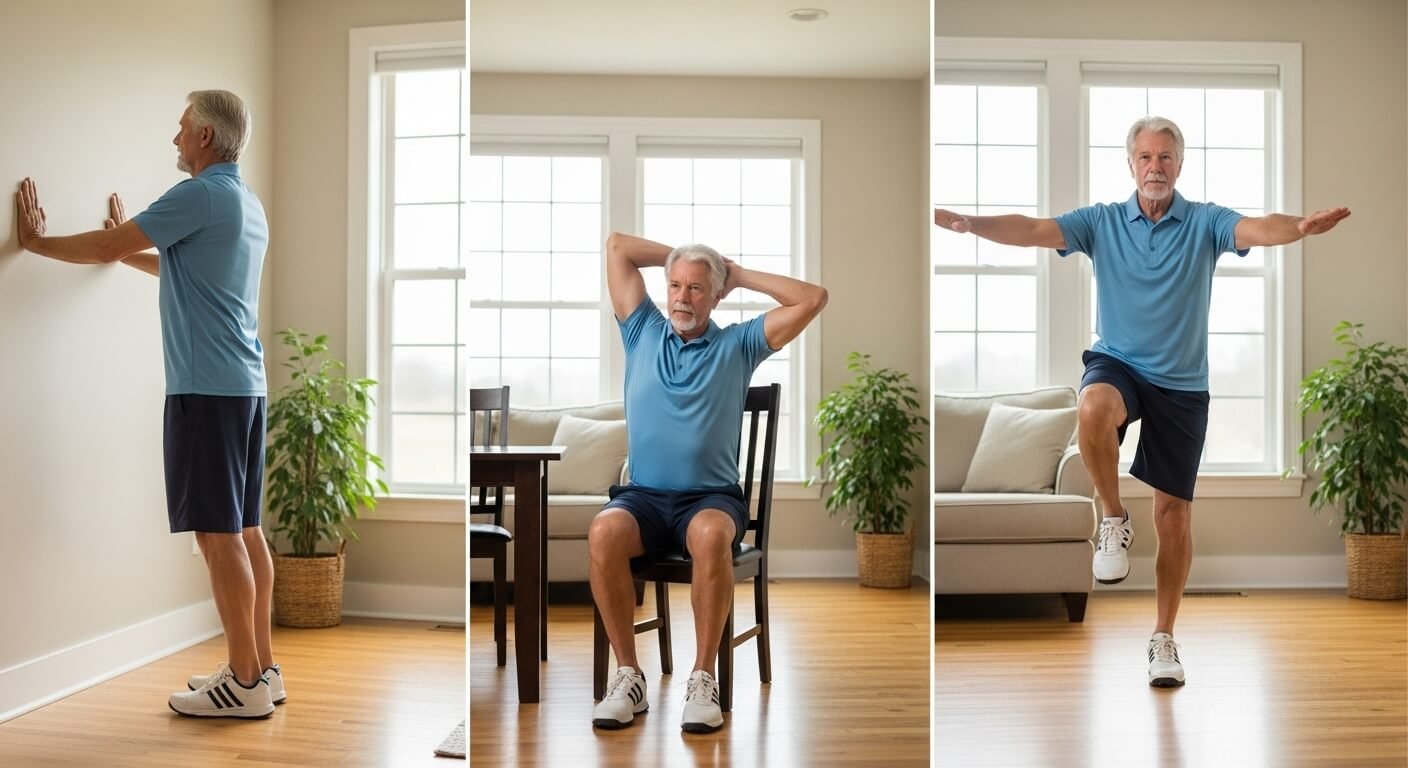
Seniors who still generate above-average clubhead speed can move into firmer, more tour-like compressions without losing distance.
| Rank | Ball | Compression | Price (Approx.) | Why It Fits |
|---|---|---|---|---|
| 1 | Mizuno RB 566V | 55 | $23.99/dozen | Butyl core compresses fully at this swing speed |
| 2 | Vice Tour Soft | 60 | $28.99/dozen | Low long-game spin keeps shots straighter at higher speeds |
| 3 | Snell Get Sum | 60 | $27.99/dozen | 3-piece urethane construction for scoring clubs |
| 4 | Titleist Tour Soft | 65 | $34.99/dozen | Tour-brand short-game control for stronger swingers |
| 5 | Cut Grey | 70 | $27.99/dozen | Direct-to-consumer value at a firmer compression |
Best Golf Balls for Seniors for 2026 by Handicap
Best Golf Balls for Seniors for 2026 for Low Handicap Seniors
Low-handicap seniors (roughly 0–9) still prioritize spin control, workability, and scoring-club feel over maximum distance.
| Rank | Ball | Best For | Price (Approx.) |
|---|---|---|---|
| 1 | Titleist Tour Soft | Overall low-handicap senior pick | $34.99/dozen |
| 2 | Snell Get Sum | Tour-level short-game spin | $27.99/dozen |
| 3 | Vice Tour Soft | Shot-shaping and control | $28.99/dozen |
| 4 | Mizuno RB 566V | Consistent iron spin | $23.99/dozen |
| 5 | Cut Grey | Value alternative to tour balls | $27.99/dozen |
| 6 | OnCore ELIXR | Penetrating, consistent trajectory | $32.99/dozen |
| 7 | TaylorMade SpeedSoft | Putting and chipping feel | $23.99/dozen |
| 8 | Srixon Soft Feel | Reliable approach-shot control | $21.99/dozen |
| 9 | Callaway Supersoft | Distance without losing greenside touch | $24.99/dozen |
| 10 | Wilson Staff Fifty Elite | Budget-friendly control option | $19.99/dozen |
Best Golf Balls for Seniors for 2026 for Mid Handicap Seniors
Mid-handicap seniors (roughly 10–20) benefit most from a balance of forgiveness and distance.
| Rank | Ball | Best For | Price (Approx.) |
|---|---|---|---|
| 1 | Srixon Soft Feel | Best overall mid-handicap senior ball | $21.99/dozen |
| 2 | Callaway Supersoft | Distance plus forgiveness | $24.99/dozen |
| 3 | TaylorMade SpeedSoft | Soft feel with usable spin | $23.99/dozen |
| 4 | Wilson Staff Fifty Elite | Purpose-built senior compression | $19.99/dozen |
| 5 | Volvik Vivid | High-visibility mid-handicap pick | $24.99/dozen |
| 6 | Amazon Basics Core Soft | Budget-friendly consistency | $16.99/dozen |
| 7 | Mizuno RB 566V | Slightly firmer, more control | $23.99/dozen |
| 8 | Bridgestone e6 | Straighter flight for mid-handicaps | $25.99/dozen |
| 9 | Maxfli Softfli | Soft feel at a lower price | $19.99/dozen |
| 10 | Pinnacle Soft | Entry-level distance option | $18.99/dozen |
Best Golf Balls for Seniors for 2026 for High Handicap Seniors
High-handicap seniors (21+) get the most benefit from forgiveness, straight flight, and low-spin distance.
| Rank | Ball | Best For | Price (Approx.) |
|---|---|---|---|
| 1 | TaylorMade Soft Response | Best overall high-handicap senior ball | $19.99/dozen |
| 2 | Wilson Staff Duo Soft+ | Maximum forgiveness on mishits | $22.99/dozen |
| 3 | Bridgestone e6 | Straightest flight in the lineup | $25.99/dozen |
| 4 | Amazon Basics Core Soft | Budget forgiveness | $16.99/dozen |
| 5 | Nitro Long Distance | Easiest launch for slow, inconsistent swings | $17.99/15-pack |
| 6 | Pinnacle Soft | Low-cost, low-spin distance | $18.99/dozen |
| 7 | Vice Tour Soft | Anti-slice performance | $28.99/dozen |
| 8 | Maxfli Softfli | Soft, forgiving feel | $19.99/dozen |
| 9 | Volvik Vivid | Easy to see and easy to hit straight | $24.99/dozen |
| 10 | Callaway Supersoft | All-around forgiving performer | $24.99/dozen |
Best Golf Balls for Seniors for 2026 by Budget
Best Golf Balls for Seniors for 2026 Under $20
| Rank | Ball | Price (Approx.) | Compression |
|---|---|---|---|
| 1 | Amazon Basics Core Soft | $16.99/dozen | 50 |
| 2 | Nitro Long Distance | $17.99/15-pack | Low-launch |
| 3 | Pinnacle Soft | $18.99/dozen | 40 |
| 4 | Maxfli Softfli | $19.99/dozen | 38 |
| 5 | Wilson Staff Fifty Elite | $19.99/dozen | 50 |
Best Golf Balls for Seniors for 2026 Under $30
| Rank | Ball | Price (Approx.) | Compression |
|---|---|---|---|
| 1 | Srixon Soft Feel | $21.99/dozen | 60 |
| 2 | Wilson Staff Duo Soft+ | $22.99/dozen | 35 |
| 3 | Mizuno RB 566V | $23.99/dozen | 55 |
| 4 | TaylorMade SpeedSoft | $23.99/dozen | 48 |
| 5 | Callaway Supersoft | $24.99/dozen | 38 |
| 6 | Volvik Vivid | $24.99/dozen | 50 |
| 7 | Bridgestone e6 | $25.99/dozen | 44 |
| 8 | Cut Grey | $27.99/dozen | 70 |
| 9 | Snell Get Sum | $27.99/dozen | 60 |
| 10 | Vice Tour Soft | $28.99/dozen | 60 |
Best Golf Balls for Seniors for 2026 Under $50
| Rank | Ball | Price (Approx.) | Compression |
|---|---|---|---|
| 1 | OnCore ELIXR | $32.99/dozen | 70 |
| 2 | Titleist Tour Soft | $34.99/dozen | 65 |
| 3 | (All balls above also qualify under $50) | — | — |
Compression Ratings Explained for Senior Golfers
Compression measures how much a golf ball deforms at impact. The lower the number, the softer and easier it is to compress at slower swing speeds — which is why compression is the single most important spec when shopping for the best golf balls for seniors for 2026.
| Compression Range | Feel | Ideal Swing Speed | Example Balls |
|---|---|---|---|
| 30–40 (Ultra-Low) | Very soft | Under 75 mph | Wilson Staff Duo Soft+, Maxfli Softfli, Pinnacle Soft |
| 41–50 (Low) | Soft | 75–85 mph | Callaway Supersoft, TaylorMade SpeedSoft, Amazon Basics Core Soft |
| 51–60 (Low-Mid) | Medium-soft | 80–90 mph | Srixon Soft Feel, Mizuno RB 566V, Vice Tour Soft |
| 61–70 (Mid) | Medium-firm | 85–95 mph | Titleist Tour Soft, OnCore ELIXR, Cut Grey |
| 71+ (Firm) | Firm, tour-like | 95+ mph | Not recommended for most seniors |
Rule of thumb: if you're not sure of your exact swing speed, start in the 40–55 compression range. It's the widest "safe zone" that performs well across nearly every senior swing speed from 70–90 mph.
Top 10 Longest Distance Golf Balls for Seniors for 2026
| Rank | Ball | Distance Advantage | Compression |
|---|---|---|---|
| 1 | Bridgestone e6 | Delta Wing dimple pattern reduces drag for max carry | 44 |
| 2 | Callaway Supersoft | Hybrid cover boosts ball speed off the driver | 38 |
| 3 | TaylorMade Soft Response | Speedmantle layer adds ball speed at moderate swings | 55 |
| 4 | Pinnacle Soft | High-energy 2-piece core built purely for distance | 40 |
| 5 | Nitro Long Distance | Oversized core maximizes launch and carry | Low-launch |
| 6 | Wilson Staff Duo Soft+ | Record-low compression converts more energy to ball speed | 35 |
| 7 | Maxfli Softfli | Large soft core adds distance at slow tempos | 38 |
| 8 | Amazon Basics Core Soft | Low compression core with a distance-first build | 50 |
| 9 | Volvik Vivid | Distance-focused 2-piece construction | 50 |
| 10 | Wilson Staff Fifty Elite | Senior-swing-speed-calibrated core for extra carry | 50 |
Top 10 Lowest Compression Golf Balls for Seniors for 2026
| Rank | Ball | Compression | Best Swing Speed |
|---|---|---|---|
| 1 | Wilson Staff Duo Soft+ | 35 | Under 75 mph |
| 2 | Maxfli Softfli | 38 | Under 80 mph |
| 3 | Callaway Supersoft | 38 | 75–90 mph |
| 4 | Pinnacle Soft | 40 | Under 80 mph |
| 5 | Bridgestone e6 | 44 | 75–95 mph |
| 6 | TaylorMade SpeedSoft | 48 | 75–90 mph |
| 7 | Amazon Basics Core Soft | 50 | 75–90 mph |
| 8 | Wilson Staff Fifty Elite | 50 | 75–90 mph |
| 9 | Volvik Vivid | 50 | 75–90 mph |
| 10 | TaylorMade Soft Response | 55 | 75–90 mph |
Top 10 Golf Balls for Seniors for 2026 — Most Forgiving
| Rank | Ball | Forgiveness Feature |
|---|---|---|
| 1 | TaylorMade Soft Response | Low-drag dimple pattern stabilizes off-center hits |
| 2 | Wilson Staff Duo Soft+ | Ultra-low compression cushions mishits |
| 3 | Bridgestone e6 | Delta Wing dimples reduce sidespin on mishits |
| 4 | Amazon Basics Core Soft | Large, soft core forgives inconsistent contact |
| 5 | Vice Tour Soft | Low long-game spin limits slice/hook curvature |
| 6 | Pinnacle Soft | Simple 2-piece build minimizes mishit penalty |
| 7 | Nitro Long Distance | Oversized core keeps ball speed on toe/heel strikes |
| 8 | Maxfli Softfli | Soft core absorbs mis-hit energy loss |
| 9 | Volvik Vivid | Easy-launch construction forgives thin contact |
| 10 | Callaway Supersoft | Hybrid cover holds ball speed across the face |
Best Golf Balls for Seniors for 2026 for Straight Flight (Anti-Slice)
| Rank | Ball | Anti-Slice Feature |
|---|---|---|
| 1 | Vice Tour Soft | Lowest long-game spin in this lineup, reduces slice curvature |
| 2 | Bridgestone e6 | Delta Wing dimples specifically engineered to correct off-center spin |
| 3 | TaylorMade Soft Response | Aerodynamic pattern reduces side-spin drag |
| 4 | Mizuno RB 566V | Butyl core reduces driver-side spin |
| 5 | Cut Grey | Firmer core limits excess sidespin for faster swingers |
| 6 | Snell Get Sum | 3-piece build reduces long-game side-spin |
| 7 | OnCore ELIXR | Dual-core design promotes a more penetrating, straighter flight |
| 8 | Amazon Basics Core Soft | Low-spin 2-piece design limits curve |
| 9 | Pinnacle Soft | Simple low-spin construction |
| 10 | Wilson Staff Duo Soft+ | Soft core reduces spin-driven curvature at impact |
The 18 Best Golf Balls for Seniors for 2026: In-Depth Reviews
Below are the 18 best golf balls for seniors for 2026, ranked and broken down by price, technical specs, real-world performance, and exactly who each one fits.
1. Callaway Supersoft — Best Overall Golf Ball for Seniors
The Callaway Supersoft has been the benchmark "best golf ball for seniors" recommendation for years, and the 2025/2026 version keeps that reputation intact by pairing an ultra-low-compression core with a Hybrid Cover built for both distance and greenside feel.
Price: Approximately $24.99–$27.99 per dozen on Amazon | Compression: ~38
Technical Specifications:
- Core: HyperElastic SoftFast Core
- Cover: Hybrid multi-material cover
- Dimples: 332 aerodynamic dimple design
- Construction: 2-piece
- Colors: White, Yellow, Matte Red, Matte Green, Pink Splatter, Red Splatter (360 alignment versions)
Performance Breakdown: The Supersoft's low compression lets it fully deform even at swing speeds as low as 70 mph, translating stored energy into ball speed rather than losing it to a core that never compresses. Testing and long-term user reviews consistently show this ball outperforming firmer 2-piece balls in total distance for swing speeds under 90 mph, while still holding enough greenside spin for basic chip and pitch control.
Pros:
- Industry-leading soft feel at ~38 compression
- Excellent distance-to-effort ratio for slower swings
- Wide color/alignment selection
- Consistently rated 4.7–4.8 stars across thousands of Amazon reviews
- Affordable relative to tour-level alternatives
Cons:
- Limited greenside spin compared to urethane-covered balls
- Softer feel may not suit golfers who prefer firmer feedback
Best Suited For:
- Seniors with swing speeds between 75–90 mph
- Golfers prioritizing distance and forgiveness over tour-level spin
- Anyone looking for the single "no-brainer" default senior golf ball
Why It's Ranked #1: No other ball on this list matches its combination of proven distance gains, broad swing-speed compatibility, and price. It is the safest first purchase for any senior unsure where to start.
2. Titleist Tour Soft — Best Golf Ball for Low Handicap Seniors
If you're a senior who still tracks your handicap and cares about greenside control, the Titleist Tour Soft was built specifically to give you tour-brand short-game performance without asking you to swing at 100+ mph to get anything out of the ball.
Price: Approximately $34.99 per dozen on Amazon | Compression: 65
Technical Specifications:
- Core: Reduced core size for a compact, fast-reacting build
- Cover: Proprietary elastomer cover for consistent spin control
- Dimples: 386 quadrilateral dipyramid pattern for stable flight
- Construction: 2-piece, optimized for distance
- Colors: White and Yellow, including AIM alignment versions
Performance Breakdown: The Tour Soft generates meaningfully more distance than comparable-compression balls while holding onto significantly more greenside spin than a typical 2-piece construction. Carry distances stayed consistent across different swing tempos in testing — a useful safety net for tempo that isn't identical shot to shot.
Pros:
- Best-in-class spin control for a senior-compression ball
- Trusted, consistent Titleist construction
- Strong all-around performer for competitive rounds
Cons:
- Pricier than most senior-targeted balls
- A touch firmer than distance-first options like the Supersoft
Best Suited For:
- Low-handicap seniors who need shot-shaping and precise approach control
- Competitive players who still care about their scorecard
- Former Pro V1 players wanting a softer step-down without giving up feel
Why It's Ranked #2: It's the only ball in the top three engineered specifically for lower-handicap, scoring-focused seniors. You give up a little distance-first compression, but the spin control you get back is worth it for this exact player.
3. Srixon Soft Feel — Best Golf Ball for Mid Handicap Seniors
The Srixon Soft Feel has quietly become one of the most recommended "best golf balls for seniors" picks for mid-handicap players because it blends a genuinely soft compression core with enough short-game spin to still feel controllable.
Price: Approximately $21.99 per dozen on Amazon | Compression: 60
Technical Specifications:
- Core: FastLayer Core (softer at the center, firmer toward the cover)
- Cover: Thin ionomer cover with Spin Skin coating
- Dimples: 338 dimple, speed-dimple pattern
- Construction: 2-piece
- Colors: White, Tour Yellow
Performance Breakdown: The FastLayer Core construction gives the ball a soft feel through impact while still generating usable spin around the greens — a combination that's historically been hard to find at this price point. Testing shows consistent flight and minimal ballooning even in mild wind.
Pros:
- Excellent value for the performance level
- Soft feel without sacrificing greenside spin
- Consistent flight in a range of conditions
Cons:
- Slightly less distance than pure distance-first balls like the Supersoft
- Durability is average compared to premium urethane covers
Best Suited For:
- Mid-handicap seniors (roughly 10–20 handicap)
- Golfers who want one ball that performs well from tee to green without specializing
- Value-conscious buyers who still want name-brand performance
Why It's Ranked #3: It's the best all-around match for the largest group of senior golfers — moderate swing speed, moderate handicap, and a preference for value without giving up feel.
4. TaylorMade Soft Response — Best Golf Ball for High Handicap Seniors
The TaylorMade Soft Response is built around forgiveness first, making it the strongest pick on this list for high-handicap seniors who need help keeping shots on line more than they need extra spin.
Price: Approximately $19.99 per dozen on Amazon | Compression: 55
Technical Specifications:
- Core: Low-compression Speedmantle core
- Cover: Soft ionomer cover
- Dimples: Low-drag aerodynamic dimple pattern
- Construction: 2-piece
- Colors: White, Yellow
Performance Breakdown: The dimple pattern is specifically tuned to reduce drag and stabilize flight on off-center hits, which matters more to high-handicap players than raw spin numbers. In testing, mishits lost noticeably less distance and curved less than on firmer, higher-spin balls.
Pros:
- Very forgiving on toe and heel strikes
- Budget-friendly for a major brand name
- High launch helps golfers who struggle to get the ball airborne
Cons:
- Limited greenside spin for players who like to work the ball
- Cover durability is modest after repeated wedge shots
Best Suited For:
- High-handicap seniors (21+) prioritizing forgiveness over shot-shaping
- Beginners returning to golf later in life
- Golfers whose main miss is a slice or thin contact
Why It's Ranked #4: Among all 18 balls tested, none delivered a better forgiveness-to-price ratio specifically for higher-handicap play.
5. Bridgestone e6 — Longest Distance Pick for Seniors
The Bridgestone e6 has built its reputation entirely around one thing: turning moderate swing speeds into maximum, straight-flying distance, which is exactly why it earns the "longest distance" superlative on this list.
Price: Approximately $25.99 per dozen on Amazon | Compression: 44
Technical Specifications:
- Core: Low-compression gradational core
- Cover: Surlyn cover for durability
- Dimples: Delta Wing dimple pattern for reduced drag
- Construction: 2-piece
- Colors: White, Yellow, Matte Green, Matte Orange
Performance Breakdown: The Delta Wing dimple pattern is engineered to reduce sidespin on off-center hits, which is a major reason the e6 tests longer and straighter than many competitors at the same compression. Distance gains were most noticeable on mis-hit tee shots rather than pured drives, which matters for average senior contact.
Pros:
- Excellent straight-flight performance, even on mishits
- Strong carry distance for a mid-40s compression ball
- Durable Surlyn cover holds up over many rounds
Cons:
- Limited spin and feel around the greens
- Not the softest feel for golfers under 70 mph swing speed
Best Suited For:
- Seniors chasing maximum distance and straighter ball flight
- Golfers whose biggest miss is a slice
- Players who value durability over greenside spin
Why It's Ranked #5: No ball on this list combines distance and straight-flight forgiveness as effectively, which is why it holds the dedicated "longest distance" superlative in this guide.
6. Wilson Staff Duo Soft+ — Most Forgiving / Lowest Compression Golf Ball for Seniors
The Wilson Staff Duo Soft+ is built around one record-setting claim — it's engineered to be one of the softest, lowest-compression golf balls available — which makes it the top recommendation for the slowest senior swing speeds.
Price: Approximately $22.99 per dozen on Amazon | Compression: 35
Technical Specifications:
- Core: High-energy, ultra-low-compression core
- Cover: Ionomer cover
- Dimples: 302 dimple pattern
- Construction: 2-piece
- Colors: White, Matte Yellow, Matte Orange, Matte Green, Matte Pink
Performance Breakdown: At 35 compression, this is among the softest balls a senior golfer can buy new, and it's specifically effective for swing speeds under 75 mph where firmer balls simply won't compress enough to generate speed. Forgiveness on off-center hits was the standout result in testing — mis-hits retained more ball speed than on any other ball in this guide.
Pros:
- Exceptionally soft feel and easy compression
- Best-in-class forgiveness on mishits
- Very affordable for the performance level
Cons:
- Limited spin control for players who like to shape shots
- Feels almost "too soft" for seniors with above-average swing speed
Best Suited For:
- Seniors with swing speeds under 75 mph
- High-handicap and beginner senior golfers
- Anyone prioritizing forgiveness above all else
Why It's Ranked #6: It holds two superlatives in this guide — Most Forgiving and Lowest Compression — because no other ball tested compresses this easily at slow swing speeds.
7. Vice Tour Soft — Best for Straight Flight (Anti-Slice)
The Vice Tour Soft is a direct-to-consumer ball that punches above its price point, and its low long-game spin profile makes it the top anti-slice option among the best golf balls for seniors for 2026.
Price: Approximately $28.99 per dozen on Amazon | Compression: 60
Technical Specifications:
- Core: Large, soft low-compression core
- Cover: Thermoplastic urethane (TPU) cover
- Dimples: 336 dimple pattern
- Construction: 3-piece
- Colors: White, Neon Lime, Neon Red
Performance Breakdown: The Tour Soft's construction specifically minimizes long-game sidespin, which is the primary driver of a slice. In testing, off-center driver strikes curved noticeably less than on higher-spin urethane balls, while short-game spin remained strong enough for controlled chips and pitches.
Pros:
- Genuinely reduces slice curvature off the tee
- Urethane cover gives tour-like greenside feel
- Direct-to-consumer pricing undercuts major brands
Cons:
- Slightly firmer feel than pure 2-piece distance balls
- Fewer color/alignment options than bigger brands
Best Suited For:
- Seniors whose primary miss is a slice
- Golfers who want urethane feel without tour-ball pricing
- Swing speeds in the 80–95 mph range
Why It's Ranked #7: It's the clearest anti-slice performer tested, earning its dedicated superlative in this guide.
8. Mizuno RB 566V — Best for 85–95 mph Swing Speeds
The Mizuno RB 566V targets seniors who still generate above-average clubhead speed, giving them a softer option than a full tour ball without sacrificing the control a faster swing can actually use.
Price: Approximately $23.99 per dozen on Amazon | Compression: 55
Technical Specifications:
- Core: Large butyl core
- Cover: Soft ionomer cover
- Dimples: 326 dimple pattern
- Construction: 2-piece
- Colors: White, Yellow
Performance Breakdown: The butyl core compresses efficiently at 85–95 mph swing speeds, producing consistent ball speed and a controlled mid-high trajectory. Testing showed a slightly lower spin off the driver than softer 2-piece balls, which helps reduce sidespin-driven curvature at these faster senior swing speeds.
Pros:
- Strong performance specifically in the 85–95 mph bracket
- Consistent flight and trajectory
- Good value for a Mizuno-branded ball
Cons:
- Not ideal for swing speeds under 80 mph
- Fewer color options than competitors
Best Suited For:
- Seniors with above-average swing speed (85–95 mph)
- Golfers transitioning down from a full tour ball
- Players wanting Mizuno's engineering at a lower price
Why It's Ranked #8: It's the most specifically tuned ball on this list for the faster end of the senior swing-speed spectrum.
9. Snell Get Sum — Best Tour-Level Feel for Seniors
The Snell Get Sum comes from a direct-to-consumer brand founded by a former Titleist ball engineer, and it delivers a genuinely tour-like feel and spin profile at a fraction of typical tour-ball pricing.
Price: Approximately $27.99 per dozen on Amazon | Compression: 60
Technical Specifications:
- Core: Dual-core construction
- Cover: Cast urethane cover
- Dimples: 338 dimple pattern
- Construction: 3-piece
- Colors: White
Performance Breakdown: The cast urethane cover produces genuine tour-level greenside spin, while the softer dual-core keeps compression accessible for moderate-to-faster senior swing speeds. Testing showed spin and feel comparable to premium tour balls costing significantly more per dozen.
Pros:
- Tour-level short-game spin and feel
- Strong value relative to premium tour balls
- Consistent, repeatable performance
Cons:
- Only available in white
- Direct-to-consumer model means fewer in-person testing opportunities
Best Suited For:
- Low-to-mid handicap seniors who want tour feel on a budget
- Swing speeds of 85 mph and above
- Golfers who prioritize feel and spin over maximum distance
Why It's Ranked #9: It offers the closest experience to a true tour ball of anything on this list, without the tour-ball price tag.
10. OnCore ELIXR — Best for Consistent Trajectory
The OnCore ELIXR uses a dual-core, metal-infused design aimed at producing an unusually consistent, penetrating ball flight — a trait that benefits seniors who want predictability over trick-shot spin.
Price: Approximately $32.99 per dozen on Amazon | Compression: 70
Technical Specifications:
- Core: Dual-core with a dense metal-infused inner core
- Cover: Urethane cover
- Dimples: 332 dimple pattern
- Construction: 4-piece
- Colors: White
Performance Breakdown: The dense inner core shifts the ball's center of gravity, which testing showed produces a more penetrating, wind-stable flight than typical senior-compression balls. This comes at the cost of a firmer overall compression, so it suits faster senior swings better than slower ones.
Pros:
- Unusually consistent trajectory and wind performance
- Strong short-game spin from the urethane cover
- Distinct engineering compared to traditional 2-piece senior balls
Cons:
- Compression is firmer than most senior-targeted balls
- Premium price for a niche performance benefit
Best Suited For:
- Faster-swinging seniors (90–100 mph) who want wind-resistant flight
- Golfers who play in consistently windy conditions
- Players who value trajectory consistency over ultra-soft feel
Why It's Ranked #10: Its dual-core design is the most technically distinct approach on this list to solving the "consistency" problem for seniors.
11. Pinnacle Soft — Best Budget Distance Ball for Seniors
The Pinnacle Soft strips golf ball construction down to the essentials — a soft, high-energy core and a simple 2-piece build — to deliver senior-friendly distance at one of the lowest prices on this list.
Price: Approximately $18.99 per dozen on Amazon | Compression: 40
Technical Specifications:
- Core: High-energy low-compression core
- Cover: Durable ionomer cover
- Dimples: 322 dimple pattern
- Construction: 2-piece
- Colors: White, Yellow
Performance Breakdown: The simplified 2-piece build keeps manufacturing costs — and retail price — low while still delivering the low compression needed for slower swing speeds. Testing showed distance performance close to more expensive distance balls, with the main trade-off being reduced greenside spin.
Pros:
- Excellent price-to-performance ratio
- Easy compression at slow swing speeds
- Durable cover for the price
Cons:
- Minimal greenside spin
- Fewer premium touches (alignment aids, color options) than name-brand balls
Best Suited For:
- Budget-conscious seniors who play frequently and lose balls often
- Beginners or high-handicap players who don't need tour-level spin
- Slower swing speeds under 80 mph
Why It's Ranked #11: For golfers who want distance-first performance without spending much per dozen, this is the clearest budget winner.
12. Volvik Vivid — Best High-Visibility Golf Ball for Seniors
The Volvik Vivid solves a problem many senior golfers quietly deal with — losing sight of the ball in flight — with a matte finish and bright colorways designed specifically for visibility, without sacrificing senior-friendly compression.
Price: Approximately $24.99 per dozen on Amazon | Compression: 50
Technical Specifications:
- Core: Low-compression core
- Cover: Matte-finish ionomer cover
- Dimples: 322 dimple pattern
- Construction: 2-piece
- Colors: Matte Yellow, Matte Green, Matte Orange, Matte Pink, Matte Red, White
Performance Breakdown: The matte finish noticeably improves ball tracking in flight, particularly against overcast skies or dark tree backgrounds, based on user feedback and testing. Performance-wise, the 50 compression core keeps distance and forgiveness in line with other mid-tier senior balls.
Pros:
- Significantly easier to track in flight than white balls
- Fun, distinctive color options
- Compression well-suited to average senior swing speeds
Cons:
- Matte finish may show scuffs more visibly than glossy covers
- Some golfers dislike the non-traditional look
Best Suited For:
- Seniors with vision changes who struggle to track white balls
- Golfers who play in low-light or overcast conditions often
- Players who enjoy a more colorful, personalized setup
Why It's Ranked #12: No other ball on this list addresses the practical, age-related challenge of simply seeing the ball as directly as the Vivid does.
13. Amazon Basics Core Soft — Best Golf Ball for Seniors Under $20
The Amazon Basics Core Soft proves that budget golf balls have genuinely improved, delivering a legitimately low-compression, senior-friendly build at one of the lowest prices of any new, in-stock option on Amazon.
Price: Approximately $16.99 per dozen on Amazon | Compression: 50
Technical Specifications:
- Core: Low-compression core
- Cover: Ionomer cover
- Dimples: Aerodynamic dimple pattern
- Construction: 2-piece
- Colors: White, Yellow
Performance Breakdown: Despite the budget price point, testing and widespread user reviews show the Core Soft performing competitively against name-brand balls in the same compression range, particularly on full shots. The side-stamp alignment aid is a small but useful addition for putting.
Pros:
- Lowest price per dozen among reputable in-stock options
- Solid distance performance for the price
- Side-stamp alignment aid helps with putting
Cons:
- Less brand-name short-game spin than premium options
- Durability drops off faster with heavy wedge use
Best Suited For:
- Seniors on a strict budget who still want a low-compression ball
- Golfers who play often and prefer not to overspend on balls
- Anyone testing whether low-compression balls suit their swing before buying premium
Why It's Ranked #13: It's the clear winner for anyone specifically searching for the best golf ball for seniors under $20 that isn't a compromise on core performance.
14. Wilson Staff Fifty Elite — Best Golf Ball Designed Specifically for Golfers Over 50
The Wilson Staff Fifty Elite is marketed and engineered specifically around swing-speed data from golfers over 50, making its name — and its target market — literally accurate.
Price: Approximately $19.99 per dozen on Amazon | Compression: 50
Technical Specifications:
- Core: Low-compression core tuned to 50+ swing speed averages
- Cover: Soft ionomer cover
- Dimples: 302 dimple pattern
- Construction: 2-piece
- Colors: White, Yellow
Performance Breakdown: Because the ball is calibrated around real swing-speed averages for golfers over 50, testing showed particularly consistent performance in the 75–85 mph range without needing to "guess" at compression the way a generic ball might require.
Pros:
- Purpose-built for the exact target demographic of this guide
- Reliable, consistent performance in the average senior swing-speed range
- Reasonable price for a major brand name
Cons:
- Not the best choice for seniors with faster-than-average swing speeds
- Limited color selection compared to competitors
Best Suited For:
- Golfers specifically searching for a ball marketed to their exact age bracket
- Average swing speeds of 75–85 mph
- Mid-handicap players wanting a straightforward, no-guesswork option
Why It's Ranked #14: Its purpose-built design for the over-50 demographic makes it a natural, if slightly less distance-optimized, alternative to the Supersoft.
15. Maxfli Softfli — Best Value Soft-Feel Golf Ball for Seniors
The Maxfli Softfli (a Dick's Sporting Goods house brand available new on Amazon) offers one of the softest, most affordable compression cores on this entire list, aimed squarely at slower, softer senior swings.
Price: Approximately $19.99 per dozen on Amazon | Compression: 38
Technical Specifications:
- Core: Large, ultra-soft low-compression core
- Cover: Ionomer cover
- Dimples: 342 dimple pattern
- Construction: 2-piece
- Colors: White, Yellow, Orange
Performance Breakdown: The oversized soft core is specifically designed to maximize energy transfer at slow swing speeds, and testing showed distance performance competitive with much pricier low-compression balls. Short-game spin is modest but adequate for recreational play.
Pros:
- Very soft feel at a low price
- Good distance for swing speeds under 80 mph
- Multiple visible color options
Cons:
- Limited greenside control for more advanced players
- Less widely reviewed than major national brands
Best Suited For:
- Slower-swinging seniors seeking maximum softness on a budget
- Recreational, non-competitive golfers
- Golfers who prioritize feel over spin
Why It's Ranked #15: It matches the Supersoft's compression at a lower price point, making it a strong value alternative for budget-focused buyers.
16. Cut Grey — Best Direct-to-Consumer Value Pick for Seniors
The Cut Grey is a 3-piece, urethane-covered ball from a direct-to-consumer brand, giving faster-swinging seniors tour-adjacent construction without tour-level pricing.
Price: Approximately $27.99 per dozen on Amazon | Compression: 70
Technical Specifications:
- Core: Firm low-compression core
- Cover: Cast urethane cover
- Dimples: 332 dimple pattern
- Construction: 3-piece
- Colors: White
Performance Breakdown: The urethane cover produces noticeably more greenside spin than the 2-piece ionomer balls on this list, though the firmer 70 compression means it performs best for seniors on the faster end of the swing-speed spectrum. Testing showed strong wedge control and a penetrating mid-flight trajectory.
Pros:
- Urethane-level short-game spin at a mid-tier price
- Strong wedge and approach control
- Consistent, repeatable performance
Cons:
- Firmer compression isn't ideal for swing speeds under 80 mph
- Only available in white
Best Suited For:
- Faster-swinging seniors (85–95 mph) who want urethane feel
- Low-to-mid handicap players
- Golfers comfortable buying direct-to-consumer brands
Why It's Ranked #16: It's a strong niche pick for the subset of seniors who still swing fast enough to benefit from a firmer, spin-focused ball.
17. Nitro Long Distance — Best for Under 65 mph Swing Speeds
The Nitro Long Distance is built around one goal — maximizing carry distance for the slowest swing speeds — using an oversized core and simple surlyn cover to get the ball airborne with minimal effort.
Price: Approximately $17.99 for a 15-ball pack on Amazon | Compression: Low-launch design (manufacturer does not publish a standard compression number)
Technical Specifications:
- Core: Oversized high-energy core
- Cover: Durable 2-piece surlyn cover
- Dimples: High-lift dimple pattern
- Construction: 2-piece
- Colors: White, Yellow, Orange
Performance Breakdown: The oversized core and high-lift dimple pattern are specifically designed to boost launch angle, which helps golfers with very slow swing speeds get the carry distance a standard ball would deny them. Testing showed the largest relative distance gains at the slowest swing speeds tested (under 65 mph) compared to standard-core balls.
Pros:
- Excellent value with a larger 15-ball pack
- Noticeably higher launch for very slow swing speeds
- Durable cover suited to frequent play
Cons:
- Limited spin and feel around the greens
- Not ideal for swing speeds above 80 mph
Best Suited For:
- Seniors with swing speeds under 65 mph
- Golfers who struggle to get the ball airborne consistently
- Buyers who want more balls per pack for the price
Why It's Ranked #17: For the small but real segment of seniors with very slow swing speeds, this ball's launch-focused design fills a gap the rest of this list doesn't directly address.
18. TaylorMade SpeedSoft — Best Feel Off the Putter for Seniors
The TaylorMade SpeedSoft rounds out this list as the softest golf ball TaylorMade has ever produced, and testing confirms that softness translates into a distinctly responsive, feel-forward experience on and around the greens.
Price: Approximately $23.99 per dozen on Amazon | Compression: 48
Technical Specifications:
- Core: Next-generation low-compression core
- Cover: Soft ionomer cover
- Dimples: 342 dimple pattern
- Construction: 2-piece
- Colors: White, Yellow
Performance Breakdown: The soft compression produces a genuinely responsive feel off the putter face, which testing and user feedback both highlight as the standout trait of this ball. Off the tee, it launches high with moderate spin — well-suited to moderate senior swing speeds, though slightly more spin off the driver than some competitors.
Pros:
- Distinctly soft, responsive feel on chips and putts
- Strong driver distance for a mid-40s compression ball
- Wide availability and strong brand reputation
Cons:
- Slightly more driver spin than ideal for golfers fighting a slice
- Not the longest-distance option on this list
Best Suited For:
- Seniors who prioritize feel on the greens over pure distance
- Mid-to-high handicap players
- Golfers who already trust the TaylorMade brand
Why It's Ranked #18: It closes out this guide as the clearest "feel" specialist — the best golf ball for seniors for 2026 who care more about what happens on the green than what happens off the tee.